
Kawasaki Bike
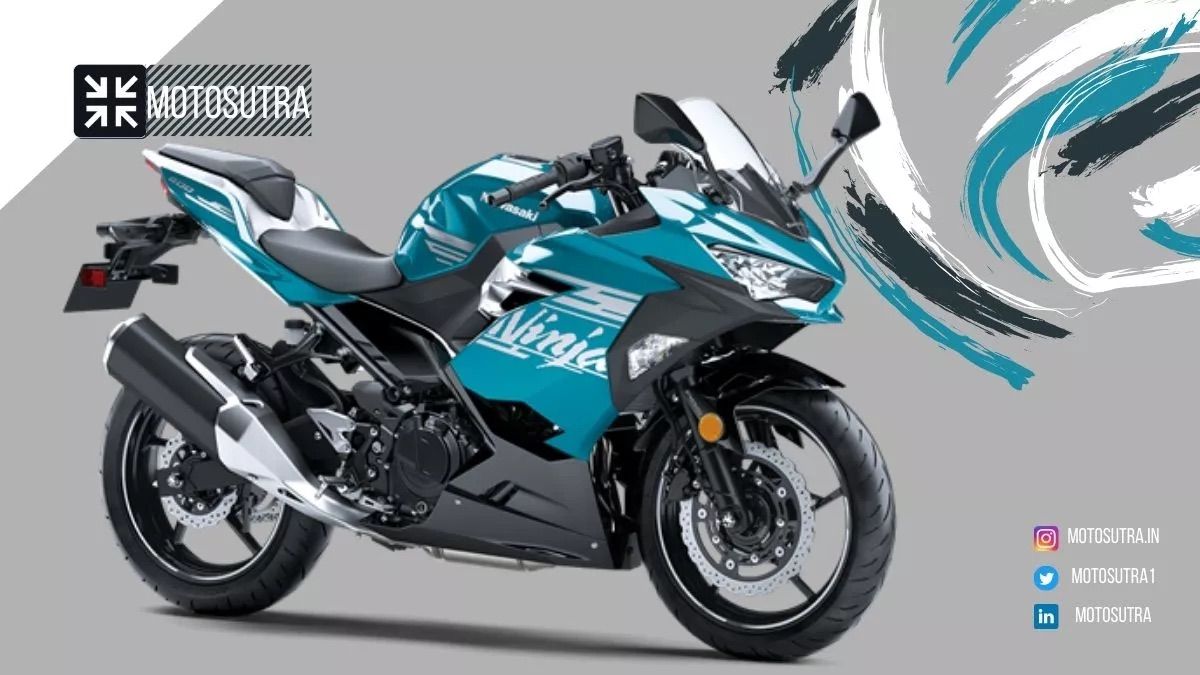
Ninja 400
Kawasaki’s 399cc parallel-twin supersport, on sale in India from 2018 until it was reported discontinued in May 2024. A sourced catalogue estimate, with the engine figures marked as estimates rather than Kawasaki India specifications.
- Price
- ₹5.24L
- Delhi NCR ex-showroom
- Engine
- 399 cc
- Power
- 47 bhp
- Torque
- 38 Nm
- Kerb weight
- 166 kg
- Fuel
- petrol
- Gearbox
- manual
Overview
The Ninja 400 is Kawasaki’s entry to the lightweight supersport class: a 399 cc liquid-cooled parallel twin with a 70.0 x 51.8 mm bore and stroke, an 11.5:1 compression ratio, dual 32 mm throttle bodies in a fuel-injection system, a six-speed gearbox and a high-tensile steel trellis frame. Kawasaki Motorcycles South Asia put it on sale in India during 2018 at a price reported at ₹4.69 lakh, took it out of showrooms for the BS-VI transition in 2020, brought it back in 2022 at a reported ₹4.99 lakh ex-showroom Delhi, and Indian press reported its discontinuation in May 2024. Kawasaki India’s Ninja 400 model page now returns a 404 and no Ninja 400 appears in the line-up the site publishes, which is why this record is marked discontinued.
The chassis figures are transcribed from Kawasaki’s own specification sheet for this generation in the United States market, with the imperial values converted: a 785 mm seat height (30.9 in), a 1,370 mm wheelbase (53.9 in), 140 mm of ground clearance (5.5 in), a 41 mm front fork with the Horizontal Back Link rear shock, 310 mm and 220 mm petal discs front and rear, and a kerb mass of 166 kg (366 lb) in ABS form. Rake and trail are stated there as 24.7 degrees and 3.6 inches. That sheet describes the same machine in another market, and MotoSutra publishes it as such rather than presenting a US number as an India-homologated one.
The power and torque rows are the weakest evidence on this page and are labelled accordingly. Kawasaki’s specification sheet for this model does not carry them, so the 47 bhp at 10,000 rpm and 38 Nm at 8,000 rpm printed here are MotoSutra catalogue estimates for the generation — the figures most widely carried in reporting on the bike, converted out of the metric units the market material uses. There is no top speed on this record and no mileage figure, because the desk holds neither, and Indian press reporting of a 0-100 km/h time for the Ninja 400 belongs to the publication that measured it rather than to MotoSutra.
The old MotoSutra Ninja 400 page is in the Internet Archive, and reading it explains two of the choices above. “Kawasaki Ninja 400 ABS 2021 Price, Top Speed, Specs, Review” went live on www.motosutra.in on 19 May 2021, was recaptured as late as 21 June 2024, and was rewritten under a /blog/ path that survives in captures of 14 October 2024 and 18 January 2025. It is filed as a review and carries a Rahul Singh byline, but its prose paraphrases an American road test — a motorcycle that “will do full interstate speed”, a machine “fully loaded” at 383 pounds — and its tables are Kawasaki’s United States specification sheet. That sheet is the same document the chassis row above transcribes, which is why the two agree on 41 mm telescopic forks with 4.7 in of travel, a 310 mm front and 220 mm rear disc, 110/70 and 150/60 tyres on 17-inch wheels, 24.7 degrees of rake, 3.6 in of trail and a kerb mass of 366 lb with ABS. It also carries a torque line and no power line, which is exactly the gap the estimate label exists to disclose, and it names ABS alone under rider aids.
One disagreement between that archived transcription and this record is worth stating rather than smoothing over. Kawasaki’s sheet renders the rear suspension as a bottom-link Uni-Trak with swingarm-adjustable preload and 5.1 in of travel; the hardware row above uses the horizontal back-link name Kawasaki applies to the same layout in its other market material. On the tank, the sheet says 3.7 US gallons, which is about 14 litres, and this record publishes no capacity because converting a US volume measure into an India-specification figure would present arithmetic as a specification. The “383 pounds” in the old page’s prose is another market’s road-test weight and no Kawasaki kerb figure, so it is not here either.
- 399 cc liquid-cooled parallel twin with a 70.0 x 51.8 mm bore and stroke and an 11.5:1 compression ratio
- 41 mm front fork, Horizontal Back Link rear shock and a trellis frame, on Kawasaki’s own specification sheet for this generation
- On sale in India from 2018 until reported discontinued in May 2024; Kawasaki India’s model page now 404s
Price
Ex-showroom price
₹5.24 lakh
Delhi NCR
Kawasaki Ninja 400 variant prices
| Variant | Ex-showroom |
|---|---|
| Ninja 400 petrol manual Reported India price before the May 2024 discontinuation · Six-speed gearbox with ABS | ₹5.24L |
Prices are ex-showroom, Delhi NCR, unverified MotoSutra catalogue estimates — not official or live quotations. Confirm current prices with the manufacturer and a dealer.
Specifications
Engine and performance
| Engine | 399 cc, 2-cylinder |
|---|---|
| Max power | 47 bhp @ 10,000 rpm |
| Max torque | 38 Nm @ 8,000 rpm |
| Gearbox | Manual |
Chassis and safety
| Kerb weight | 166 kg |
|---|---|
| Suspension | 41 mm telescopic front fork; Horizontal Back Link rear monoshock; high-tensile steel trellis frame |
| Brakes | Single 310 mm front disc and single 220 mm rear disc, both petal profile, with ABS |
| Safety equipment | ABS as fitted to this generation. No crash-test programme rates motorcycles of this class, so no safety score is published |
Dimensions
| Seat height | 785 mm |
|---|---|
| Wheelbase | 1370 mm |
| Ground clearance | 140 mm |
Figures without a named source document are unverified MotoSutra catalogue estimates, not official specifications. Confirm current numbers with the manufacturer.
Features
Engine and drivetrain
- 399 cc liquid-cooled four-stroke parallel twin
- Bore and stroke 70.0 x 51.8 mm, compression ratio 11.5:1
- Dual 32 mm throttle bodies with fuel injection
- Six-speed manual transmission
Chassis and running gear
- High-tensile steel trellis frame
- 41 mm telescopic front fork; Horizontal Back Link rear monoshock
- Single 310 mm front and 220 mm rear petal disc with ABS
- Kerb mass 166 kg in ABS specification, per Kawasaki’s US sheet for this generation
Geometry
- Seat height 785 mm, wheelbase 1,370 mm, ground clearance 140 mm
- Rake 24.7 degrees, trail 3.6 in
Pros and cons
What we like
- A 399 cc twin with an 11.5:1 compression ratio and dual 32 mm throttle bodies is a more useful road engine than the single-cylinder rivals in the same price band
- A 785 mm seat and 166 kg kerb mass keep a supersport shape manageable at walking pace
- Kawasaki’s own sheet documents the 41 mm fork, the Horizontal Back Link shock and 310 mm front disc, so the chassis row does not rest on reporting
What we would change
- The engine figures on this page are estimates: Kawasaki’s own specification sheet for this model states no power or torque number, and MotoSutra has not measured either
- There is no top speed and no mileage figure here, so a buyer comparing this against its rivals has to source both elsewhere
- The motorcycle has been reported out of the India line-up since May 2024, and this desk found no Kawasaki document naming a replacement
Latest news on Ninja 400
Frequently asked questions
What is the Kawasaki Ninja 400’s price?
₹5,24,000 ex-showroom Delhi NCR, the last India price MotoSutra has on record for the model before Indian press reported it discontinued in May 2024. Kawasaki India relaunched it in 2022 at a reported ₹4.99 lakh and the 2018 launch was reported at ₹4.69 lakh. These are dated figures from reporting, marked as unverified catalogue estimates rather than official Kawasaki pricing.
What is the Ninja 400’s power and torque?
47 bhp at 10,000 rpm and 38 Nm at 8,000 rpm, published as a MotoSutra catalogue estimate. Kawasaki’s own specification sheet for this model does not state power or torque, so there is no manufacturer figure to transcribe, and this desk has not measured the bike.
What are the Ninja 400’s dimensions?
A 785 mm seat height, a 1,370 mm wheelbase and 140 mm of ground clearance, converted from the inch values on Kawasaki’s specification sheet for this generation in the United States market, which also gives 24.7 degrees of rake and 3.6 inches of trail. It is the same machine in another market; MotoSutra found no India geometry sheet.
Is the Ninja 400 discontinued in India?
MotoSutra lists it as discontinued on two grounds: Indian press reported the discontinuation in May 2024, and Kawasaki India’s Ninja 400 model page now returns a 404 while the model is absent from the line-up the site publishes. No Kawasaki announcement document was reached for this record, so the report is the primary evidence and the 404 is the corroboration.
Did MotoSutra test the Ninja 400?
Not this motorcycle, and not in India. The archived MotoSutra Ninja 400 page is filed as a review, but its riding prose paraphrases an American road test and its tables are Kawasaki’s US specification sheet, so it contains no MotoSutra measurement of the India bike either. This page therefore publishes no acceleration time, no top speed and no fuel-consumption figure. The 0-100 km/h times that circulate in Indian press reporting belong to the publications that recorded them.
Is this the old MotoSutra Ninja 400 page?
No, and the old page is recoverable rather than lost: “Kawasaki Ninja 400 ABS 2021 Price, Top Speed, Specs, Review” ran on www.motosutra.in from 19 May 2021, with working captures through 21 June 2024, and a rewritten version at a /blog/ path captured in October 2024 and January 2025. What survives there is a US-market specification sheet with a paraphrased American test wrapped around it, not reporting on the motorcycle Kawasaki sold in India, so this September 2026 record keeps the sheet’s chassis figures, labels the engine figures as estimates, and discards the parts that described another market’s bike.
Same brand
More Kawasaki models
Keep reading
Related reading
Comparisons
-
Comparison 5 min
Ather 450X vs Bajaj Chetak: range, build and the size of your commute
Two premium electric scooters, two completely different theories about what a scooter is for. We set the documented range, hardware and geometry against each other until the batteries’ claims say enough.
-
Comparison 4 min
Bajaj Dominar 400 vs Royal Enfield Himalayan 450: two answers to the same highway
Forty brake horsepower apiece, ₹67,000 apart, and completely different ideas about what a big single is for. We put both theories against the same documented tarmac, gravel and traffic they were built for.
-
Comparison 3 min
Tata Nexon EV vs Punch EV: a certain car against an estimated one
The Nexon EV is on sale and measured. The Punch EV is a projection with a plausible shape. Here is what each ₹1 lakh of the gap between them actually buys.
Guides
-
Guide 4 min
What is horsepower? Why the bhp figure tells you less than the rev band
Two cars can list the same bhp and feel completely different, because power is a rate and the rpm it arrives at is the rest of the sentence. What bhp measures, where brochures pad it, and which part of the band you actually use in India.
-
Guide 4 min
What is torque? Why the Nm figure decides a city overtake, not a top speed
Newton-metres are the number showrooms lead with and buyers misread most often. What torque physically is, why the rev band printed beside it matters more than the peak, and what a plateau feels like in third gear.
-
Guide 5 min
What is ABS? Why the anti-lock warning light is the last thing you want to see
Anti-lock brakes buy you the one thing a panic stop actually needs — a steerable car. What the system does mechanically, why the light means you are back to plain drums and physics, and where the entry-level hardware in our catalogue stops short.
News
-
News 3 min
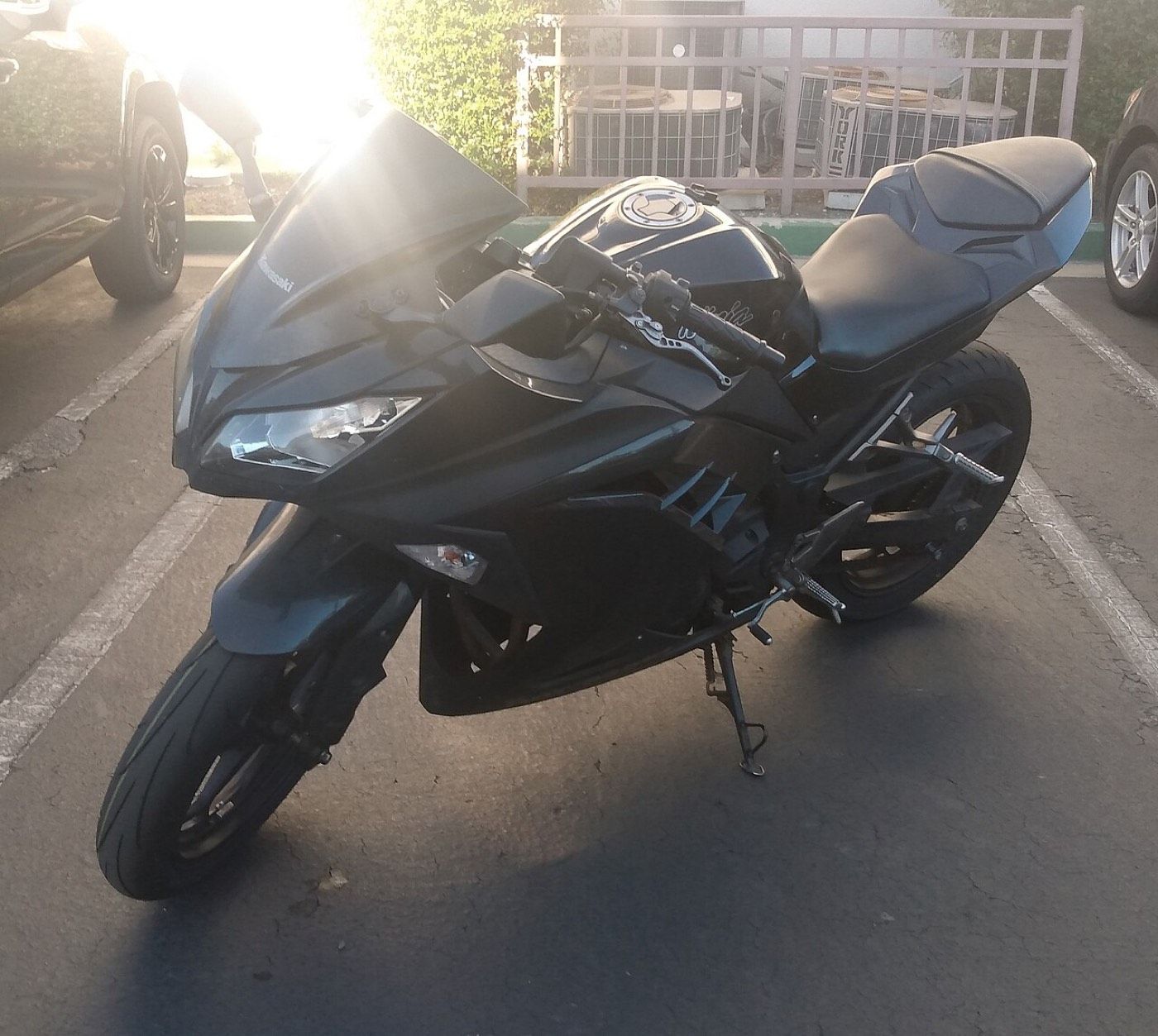
Kawasaki brings the Ninja 300 back with a track pack, and the twin does the rest
The 296 cc parallel twin returns to the Indian lineup at ₹3.45-3.52 lakh in our unverified listing, with a circuit-focused accessory package aimed squarely at the Duke 250’s track-day crowd.
-
News 3 min
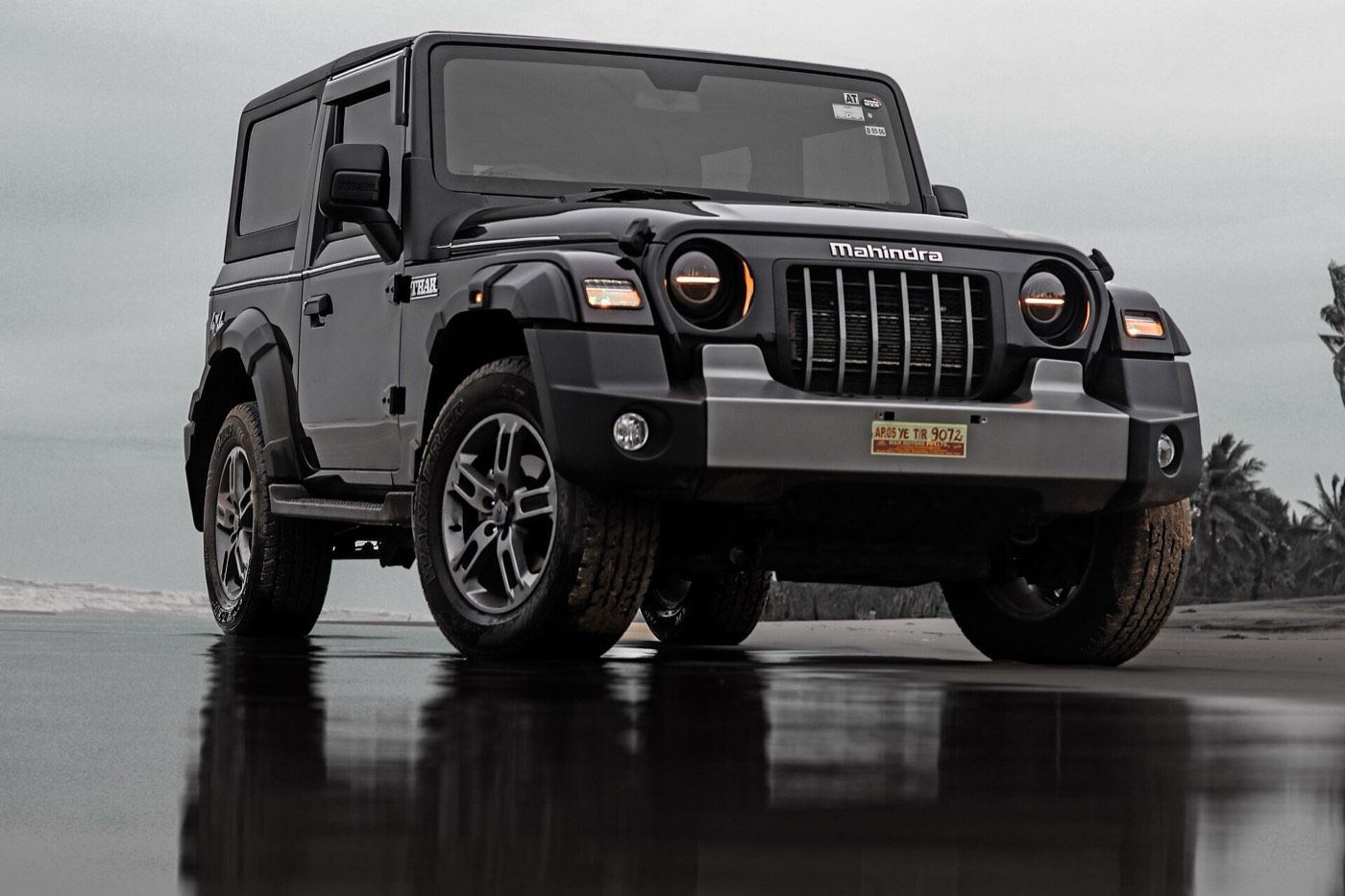
Mahindra gives the 2026 Thar more standard kit and lifts the 4WD flagship past ₹16.5 lakh
A model-year revision puts the digital cluster and all-terrain tyre option lower in the range, holds the ₹9.99 lakh entry price, and asks ₹16.75 lakh for the HT(O) 4WD — above what the catalogue currently records.
-
News 3 min
Ten electric models, counted: what our own catalogue says about where EV demand actually forms
Our unverified shelf holds ten battery-electric records — five cars, four scooters, one motorcycle — and its price bands, range claims and estimated real-world shortfalls map the demand curve better than any registration chart could.