Explainer
What is torque? Why the Nm figure decides a city overtake, not a top speed
Newton-metres are the number showrooms lead with and buyers misread most often. What torque physically is, why the rev band printed beside it matters more than the peak, and what a plateau feels like in third gear.
- Ather Energy 450X ₹1.48L
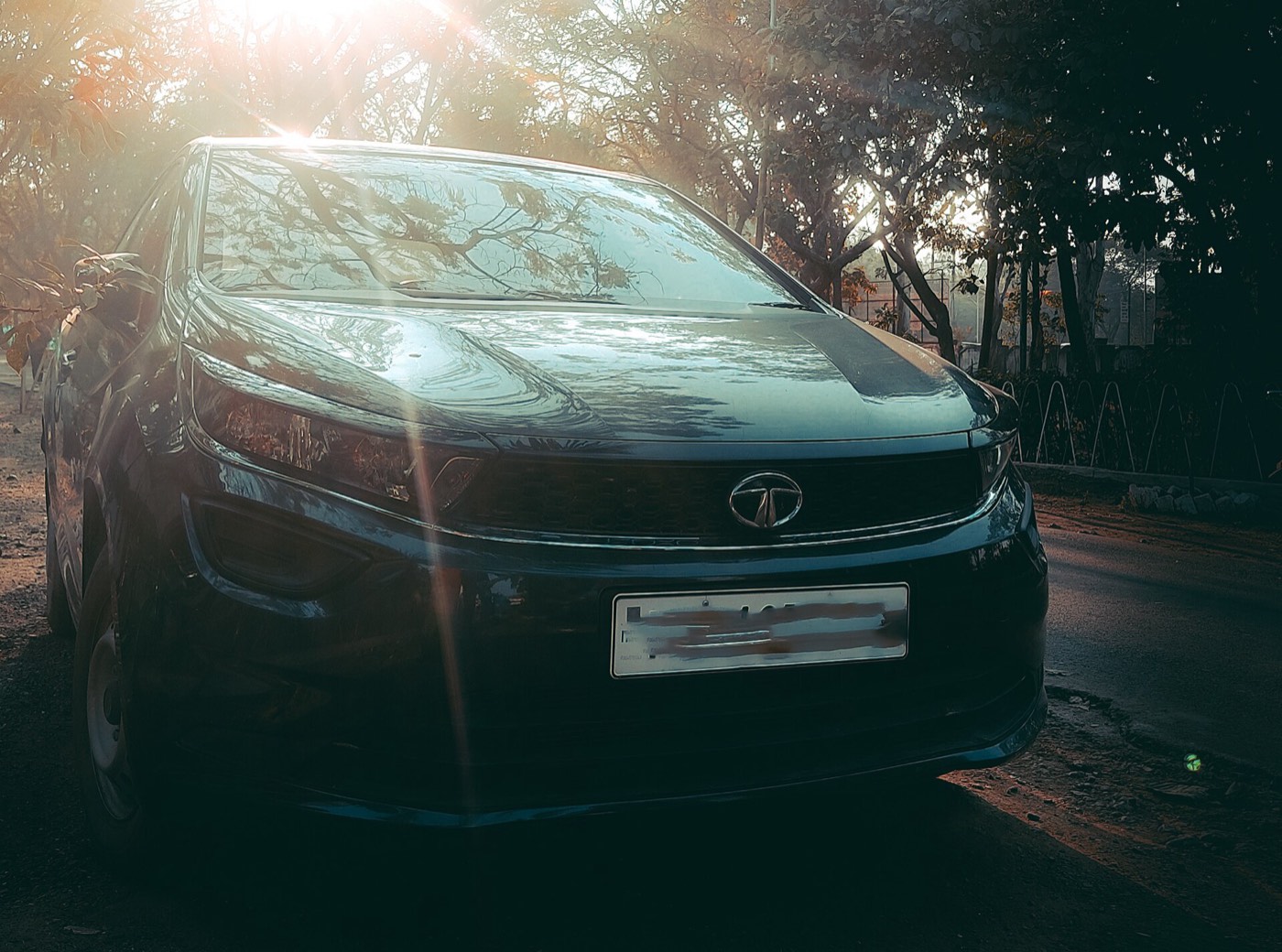
- Tata Motors Punch ₹5.75L
- Royal Enfield Classic 350 ₹1.93L
- Mahindra Scorpio N ₹13.69L
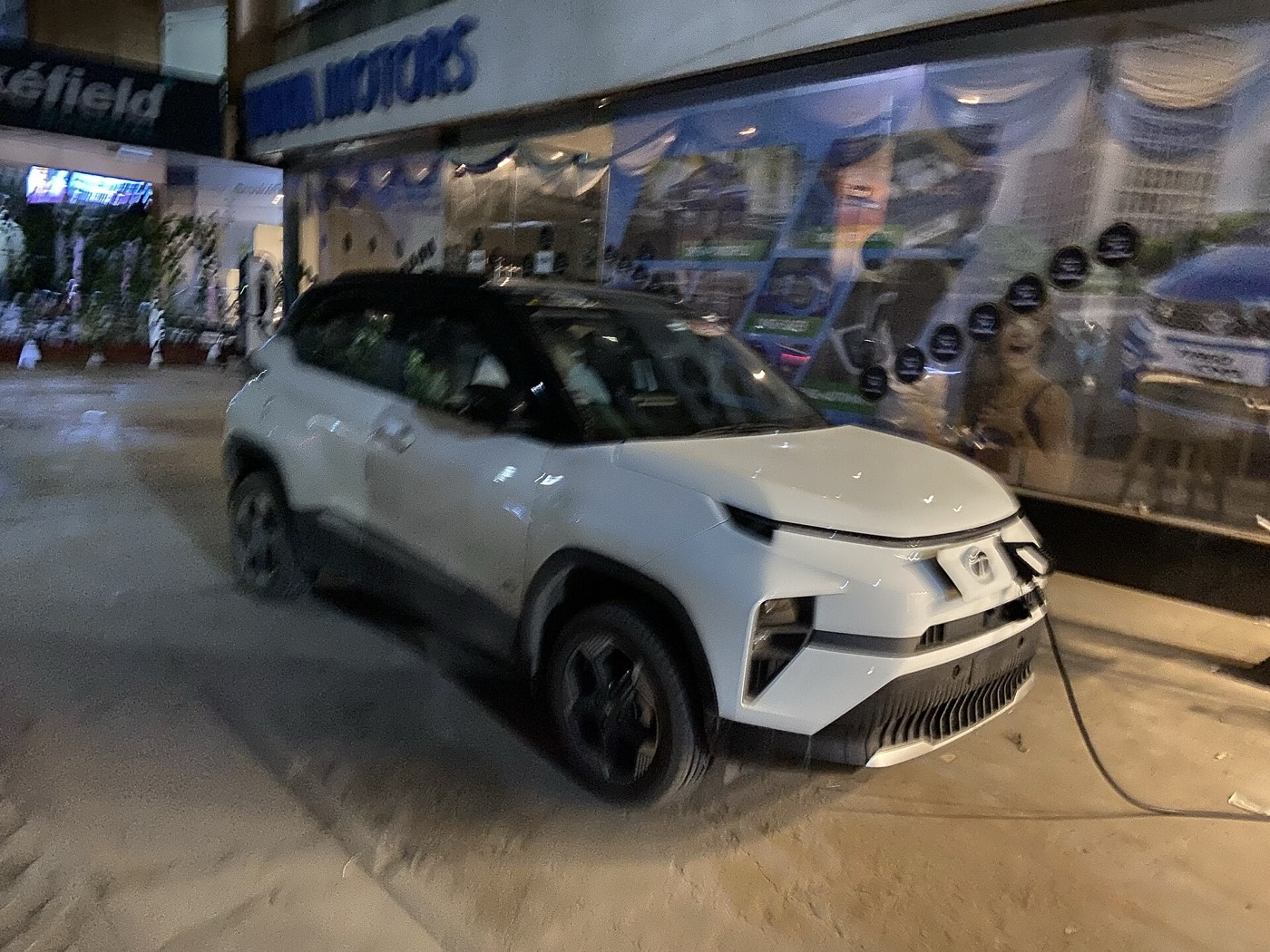
- Tata Motors Nexon ₹7.4L
The manoeuvre that decides most Indian driving moments is not a top-speed run. It is a 40-to-80 km/h overtake in third gear, in the 2,000-to-4,000 rpm range, usually with the air conditioning on and a pillion or two in the car. That manoeuvre is a torque problem, and the brochure figure that describes it is the one most buyers read incorrectly.
What a newton-metre actually is
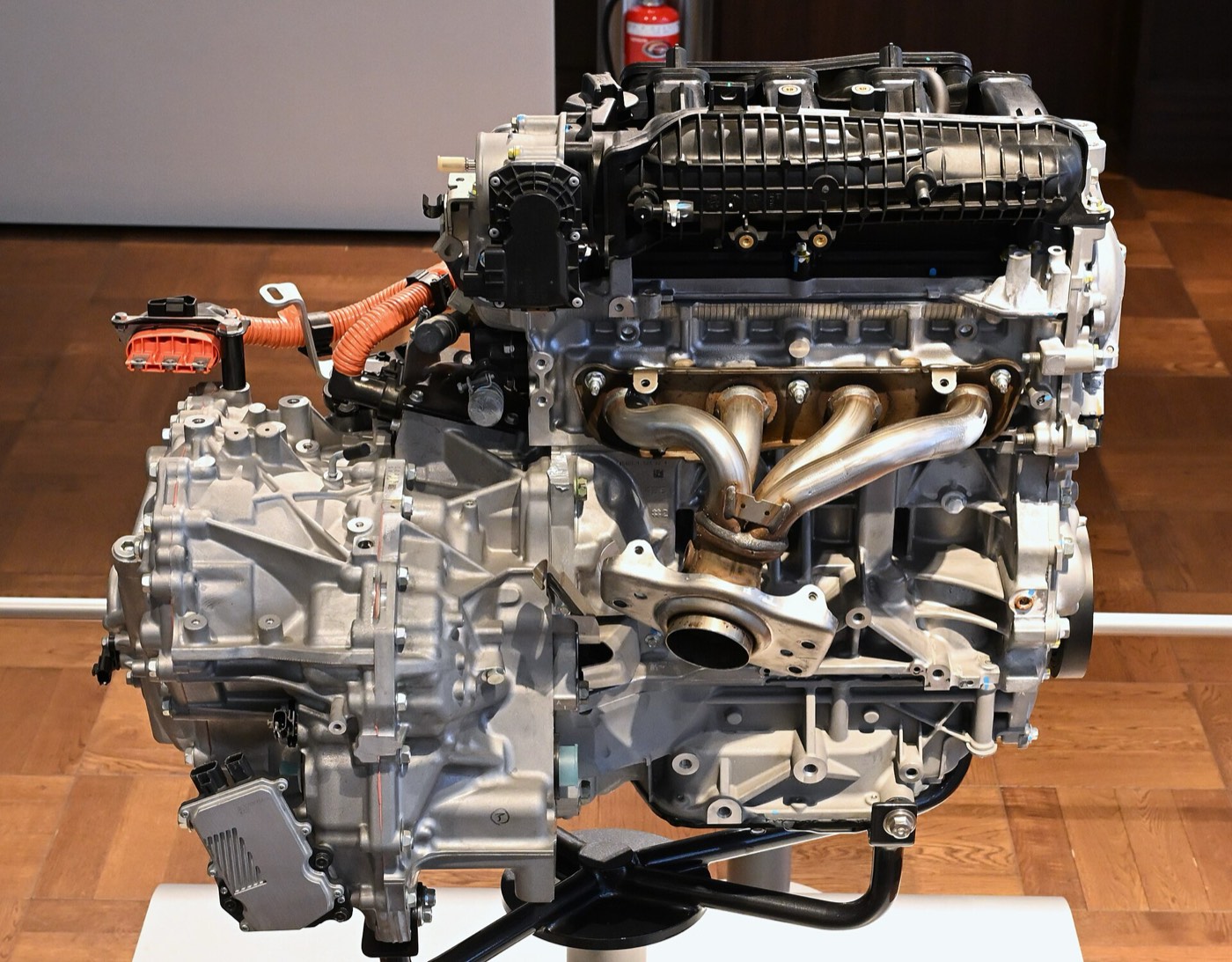
Combustion pushes a piston down a cylinder; the crankshaft converts that straight-line shove into rotation. Torque is the twisting force at that crankshaft, measured in newton-metres: one newton of force applied one metre from the centre of rotation. A 170 Nm engine is not producing 170 Nm of anything you can feel directly — the crank is small and the gearbox re-multiples everything. In first gear, the wheels see several times the crank’s twist; in top gear, less than it.
That gearing fact is why torque converts so cheaply into the sensation of shove from low revs, and why a diesel or an electric motor with high crank torque feels stronger than its power figure suggests. It is also why the raw Nm number, quoted alone, tells you so little.
The band matters more than the peak
Every engine has one rpm at which torque peaks, and increasingly a range where it stays near that peak. Our specification fields carry both: a figure and a band. Read them as a pair, because the market prices against the figure and you drive the band.
Take four cars our catalogue lists between ₹6 lakh and ₹11 lakh ex-showroom. The Brezza records 137 Nm with the peak at 4,200 rpm; the Baleno, 113 Nm at 4,400; the Altroz, 113 Nm at 3,300; the Nexon’s 1.2-litre turbo, 170 Nm across 1,750 to 5,500. The first three are single points. The Nexon is a plateau, and it sits well above the other three in raw twist. On a ghat road with the car loaded, the plateau engine holds that pull while you lift off, change lanes and lift off again; the point engine visits its best torque exactly when the revs happen to land there, which is why it spends a city life one gear down, louder, thirstier, and always on a deadline.
The trap in reverse exists too. The Creta’s 144 Nm at 4,500 rpm is genuinely modest torque for a 1.5-litre, and no band notation softens that; the Venue’s 998-cc turbo makes 172 Nm from 1,500. Smaller engine, stronger city car, decided entirely by where the numbers arrive.
How the figure gets flattered
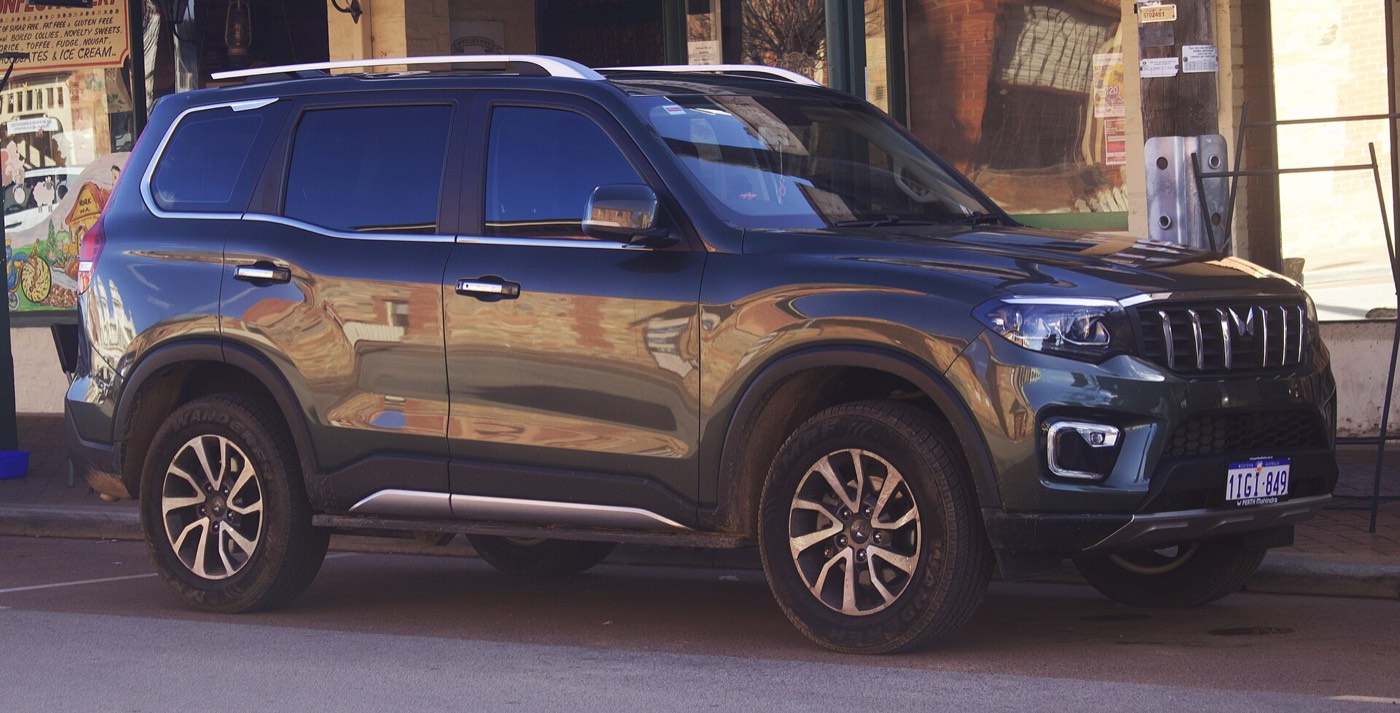
No manufacturer is dishonest about peak torque, but the listing format is a marketing instrument. A one-rpm peak printed in large type flatters an engine that drops off it quickly; wide-ratio gearing can make modest torque feel abundant at low speed and evaporate at highway pace; and a diesel’s headline number arrives so low in the rev range that it describes the first metre of pull more than the tenth. Our Scorpio-N record shows 370 Nm held from 1,500 to 3,000 rpm — that is a lorry’s gift, useful for a two-tonne SUV with a trailer, and invisible in a car doing 110 km/h on a smooth expressway in sixth, where the engine loafs below the plateau.
Electric motors are flattered in the opposite direction: peak torque from zero is real, but sustaining it heats the motor and the battery, so a launch feels violent and the second overtake on a ghat is tamer than the first.
Peak torque is a photograph. The torque band is the film, and the film is what you actually drive.
What it feels like at Indian speeds
Below about 60 km/h, torque band decides everything: the gap to the bus you are passing, the flyover slip you take without changing down, the speed breaker in second without drama. Our Punch record puts 115 Nm on tap by 3,300 rpm from a naturally aspirated 1.2-litre triple; the Baleno needs 4,400 to see its 113 Nm, and in traffic that gap is a downshift every single time. Above 90 km/h, this article’s number stops being the interesting one — that fight belongs to horsepower and aerodynamics, and a big Nm figure in a low-revving engine will not fix a car that runs out of power at 120.
On two-wheelers the same arithmetic runs smaller. Our Activa 6G record lists 8.9 Nm at 5,250 rpm through a CVT that parks the engine at its brightest point, which is exactly right for a 110 cc commuter and exactly why it never surprises you. The 450X lists 26 Nm against a claimed 6.4 bhp — less peak power than the Activa’s 7.8 bhp petrol engine, and nearly three times its torque, all of it from zero rpm instead of 5,250. That combination is the entire reason the electric scooter wins the launch at a signal and then, past 60 km/h, quietly loses the argument. Torque is the launch; something else is the finish.
Reading the MotoSutra spec sheet
On any vehicle page here, the torque story is two fields: the figure and the band, with the band’s absence itself a clue — engines we list with a bare peak number and a wide redline are the ones the manufacturer measured at one point and hopes you stop reading there. Compare the pair, not the figures, and compare it at the revs your route actually uses: 2,000 to 4,000 for a city hatchback, 3,000 to 6,000 for a highway bike, and from nothing at all for anything electric.
Frequently asked questions
What is a good torque figure for a city car in India?
The number matters less than the band. In our catalogue, 113 to 120 Nm available from around 1,500 to 3,500 rpm covers most city duty without a downshift; the same peak arriving only at 4,200 rpm means the engine spends more time in a lower gear than you expect.
Do electric vehicles really have more torque than cars?
They have it earlier, which is what the comparison actually measures. The ZS EV record in our catalogue lists 280 Nm from 0 rpm and the Nexon EV 215 Nm, while a 113 bhp Creta petrol lists 144 Nm that only arrives at 4,500 rpm. The electric figures are measured at the motor before a single-speed reduction, so they reach the wheel multiplied differently than an engine’s does.
Is torque or power more important for highway overtaking?
For closing the gap at triple-digit speed, power decides. Torque decides whether you have reserve at 70 km/h in the gear you are already in, which is the far more common Indian situation. The two numbers are linked, and the rev band at which each arrives links them again.
Why do two 27 Nm bikes feel so different?
Because the rpm column is the other half of the figure. Our catalogue records the Classic 350 making 27 Nm at 3,400 rpm and the Ninja 300 making 27 Nm at 10,000 rpm. The first is pulling a trolley bus past a dhaba; the second is winding out on a track road. Same number, different errand.