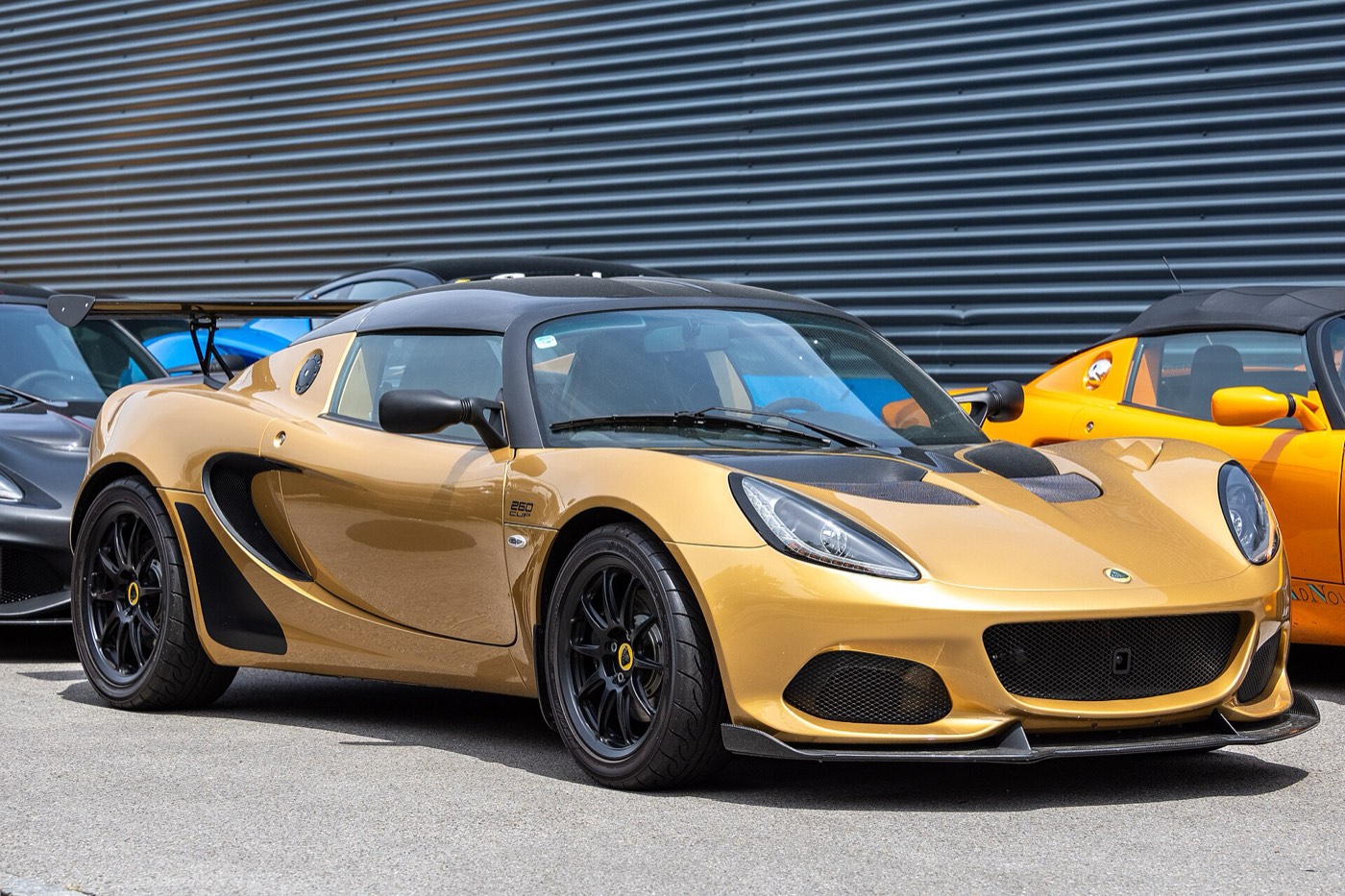
Launch
Skoda stretches the Kushaq range upward with a 150 bhp 1.5 TSI automatic option
The compact SUV keeps its 1.0-litre core and its ₹10.34-17.79 lakh recorded band, while this launch’s sample sheet adds 150 bhp 1.5 TSI automatic variants priced past ₹18 lakh that the catalogue has yet to carry.
- Hyundai Venue ₹7.94L
- Volkswagen Virtus ₹11.44L
- Skoda Kushaq ₹10.34L
Skoda has done something the Kushaq’s price sheet has never permitted: moved the car beyond itself. The recorded range in MotoSutra’s sample catalogue runs ₹10.34 lakh to ₹17.79 lakh, built entirely around the 1.0-litre TSI — 115 bhp, 175 Nm from 1,750 rpm, a five-star GNCAP shell and all-wheel disc brakes at every price point — and it is a good car that has always run into the same ceiling: buyers who wanted more engine were pointed upstairs to cars Skoda no longer sells under ₹20 lakh. The 1.5 TSI option lifts that ceiling with two new variants whose launch pricing, at ₹18.49 lakh and ₹19.79 lakh, sits above the band our listing carries, which has yet to reflect them.
The decision is worth reading as segment arithmetic rather than enthusiasm. The compact SUV class in our catalogue is dense below ₹15 lakh and thin above ₹17: the Venue tops out at ₹13.60 lakh, the Sonet at ₹16.20, the Elevate’s recorded flagship at ₹16.79, and a Kushaq with genuine highway engine capacity has the ₹18-20 lakh bracket roughly to itself among cars under four-and-a-half metres. The Virtus GT in our listing already tests that money on sedan terms at ₹19.19 lakh; this is Skoda pointing the same engine at the body shape the market actually buys.
What 150 bhp does to a 1,225 kg car
The recorded Kushaq 1.0 is a quicker-than-numbers car — its torque plateau makes the three-cylinder feel, in our review’s phrase, “two engine sizes bigger around town” — and a 1.5 with 150 bhp and 250 Nm turns that into the class’s outright performance reference. The claimed 190 km/h top speed on the current car suggests the 1.5 will move that figure; the launch sheet quotes the dual-clutch as the reason, which is the same box that made older Skoda products quick in exactly the way a torque converter is not.
The honest caveats are the ones our Kushaq review already wrote, and none of them disappear with the bigger engine. The boot stays at 340 litres, the smallest among the SUVs in our listing, and luggage on a family road trip will still negotiate with the parcel shelf. The rear seat is generous for two adults and the suspension remains firm over sharp cross-road bumps. And the cabin, solid as a tool chest, is trimmed like one; at ₹19.79 lakh in this launch’s pricing, the equipment expectation shifts from durable to desirable, and the Monte Carlo trim’s sport styling and panoramic sunroof are decorations rather than answers.
A company brief around the launch describes the 1.5 as “the Kushaq the brand’s customers have been requesting”, which is a fair characterisation of the order book: the torque-oriented buyer who test-drove the 1.0 and wanted the gap at 100 km/h closed has nowhere else in this segment to go.
Where this leaves the range
The 1.0 ladder holds exactly as recorded — Active at ₹10.34 lakh, Ambition at ₹12.50, Style manual at ₹14.50, Style AT at ₹15.99 and the Monte Carlo automatic at ₹17.79 — and for a city-first buyer the 1.0 remains the rational end of the range, since the claimed 18 kmpl belongs to it and the 175 Nm is already enough for traffic. The 1.5 is for the owner whose weekends are ghat roads and whose overtake judgement at 90 km/h currently involves more planning than the car deserves. In a segment that has spent three years competing on screens, Skoda has launched the one thing nobody else in the price band records: more engine.
Frequently asked questions
What do the new 1.5 TSI variants cost?
The figures are this launch’s sample pricing: Style 1.5 AT at ₹18.49 lakh and Monte Carlo 1.5 AT at ₹19.79 lakh, both ex-showroom. Both sit above the ₹17.79 lakh that MotoSutra’s catalogue currently records at the top of the Kushaq range, so the listing has yet to carry them.
What does the 1.5 engine make?
This announcement quotes 150 bhp and 250 Nm from the 1.5-litre four-cylinder turbo, paired with a dual-clutch automatic. The existing 1.0-litre TSI three-cylinder is untouched at the recorded 115 bhp and 175 Nm from 1,750 rpm, with a claimed 18 kmpl.
Does the 1.5 change the Kushaq’s equipment?
Mechanically it is the same car: the five-star GNCAP structure, six airbags and all-wheel disc brakes recorded on every variant carry over. The 1.5 variants are about output, and the Monte Carlo trim adds the sport styling and panoramic sunroof already listed on the current top model.
Why does the 1.5 get a dual-clutch when the 1.0 uses a torque converter?
That is the launch sheet’s own account of the hardware; our catalogue records the existing automatic as a six-speed torque converter and notes it is slower than the dual-clutch of memory. Treat the claimed dual-clutch calibration on the new variant as untested until we drive it.