Explainer
What is engine displacement? What cc actually buys you in India
Cubic capacity is the oldest shortcut in the showroom and the least reliable spec on the sheet. What displacement physically measures, where the cc-to-pace link still holds, and the three tricks that break it.
- Yamaha R15 ₹1.55L
- Bajaj Dominar 400 ₹2.18L
- Tata Motors Punch ₹5.75L
- Royal Enfield Classic 350 ₹1.93L
- Mahindra Scorpio N ₹13.69L
Displacement is the specification Indian buyers quote before the test ride and the one that predicts the least. It is also the easiest number on the sheet to understand physically and to misuse commercially: a measure of volume, nothing more, that has been asked to do the work of a performance claim for eighty years.
What the cc figure measures
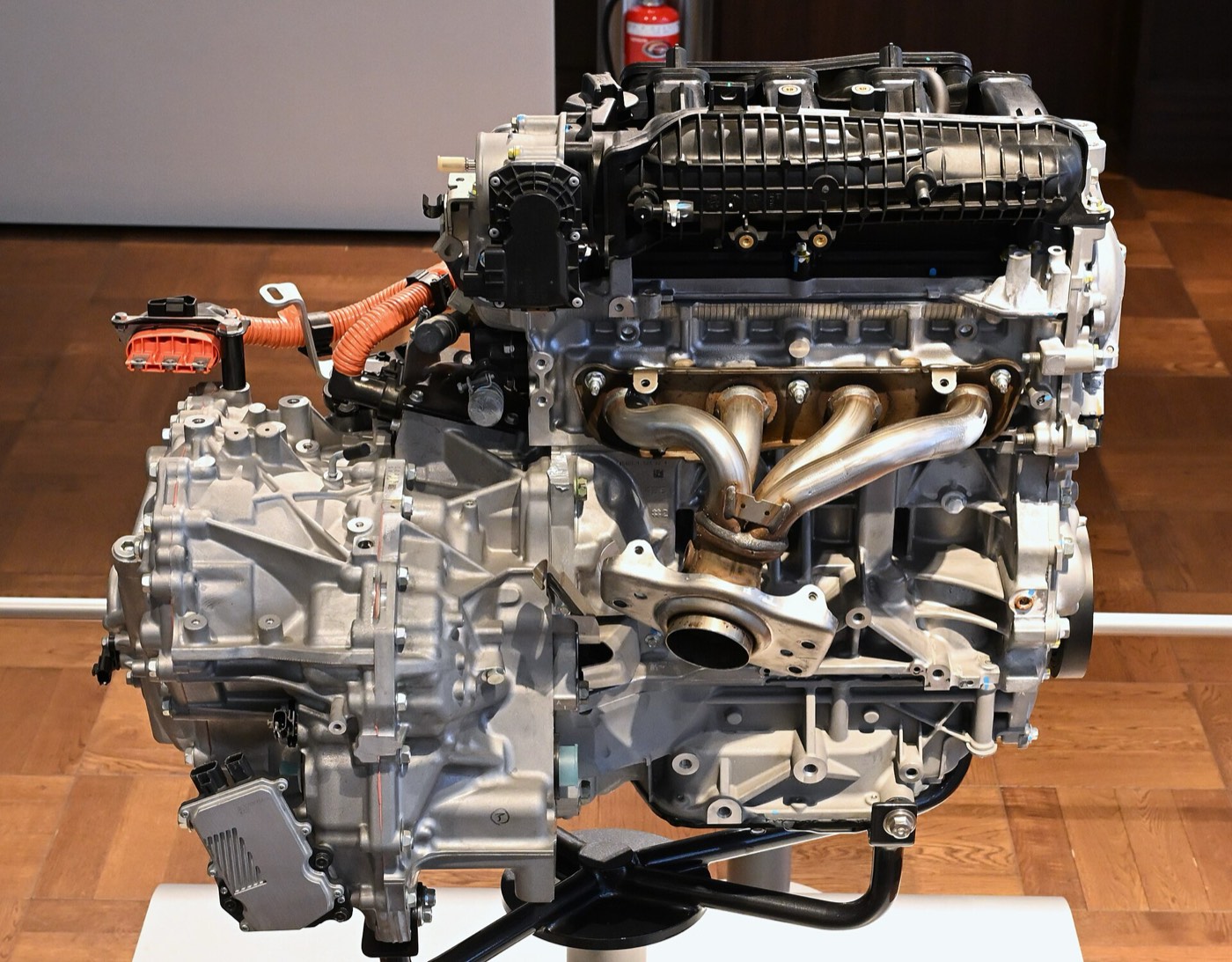
An engine is a pump that burns air. Displacement is the total volume swept by all the pistons in one complete cycle — the capacity of the cylinders, added up — measured in cubic centimetres. A 1,197-cc four sweeps that many cubic centimetres of fresh charge every two crank revolutions; a 2,198-cc diesel sweeps almost twice as much. For a naturally aspirated engine, that is close to a direct description of potential: more air per cycle permits more fuel per cycle permits more work per power stroke, which is why torque at low rpm scales with capacity far more honestly than it scales with anything else.
That scaling is visible across our catalogue, and it is the strongest argument the cc figure has. The naturally aspirated 1.2-litre cars here — the Swift, the Baleno, the Dzire — carry peak torque of 108 to 113 Nm; the naturally aspirated 1.5s, the Creta, the Seltos, the XUV 3XO, the City, make 140 to 145. Add a turbo and the ladder breaks: our 2.2-litre Scorpio-N diesel record is 370 Nm, roughly the twist of three Swifts, while the 998-cc Venue turbo has more torque than every naturally aspirated 1.5 above it.
What capacity buys in the showroom, and on the road
Because scaling with torque is real, cc still buys the things Indian roads notice: third-gear reserve, loaded hill ability, the relaxed diesel cruise. It also buys the segment architecture around them — some state taxes still key off engine size, the historic central excise concession below 1,200 cc created the whole small-car category, and insurance slabs in several states follow capacity bands. When a salesperson says one-litre, a buyer hears a running-cost class as much as an engine.
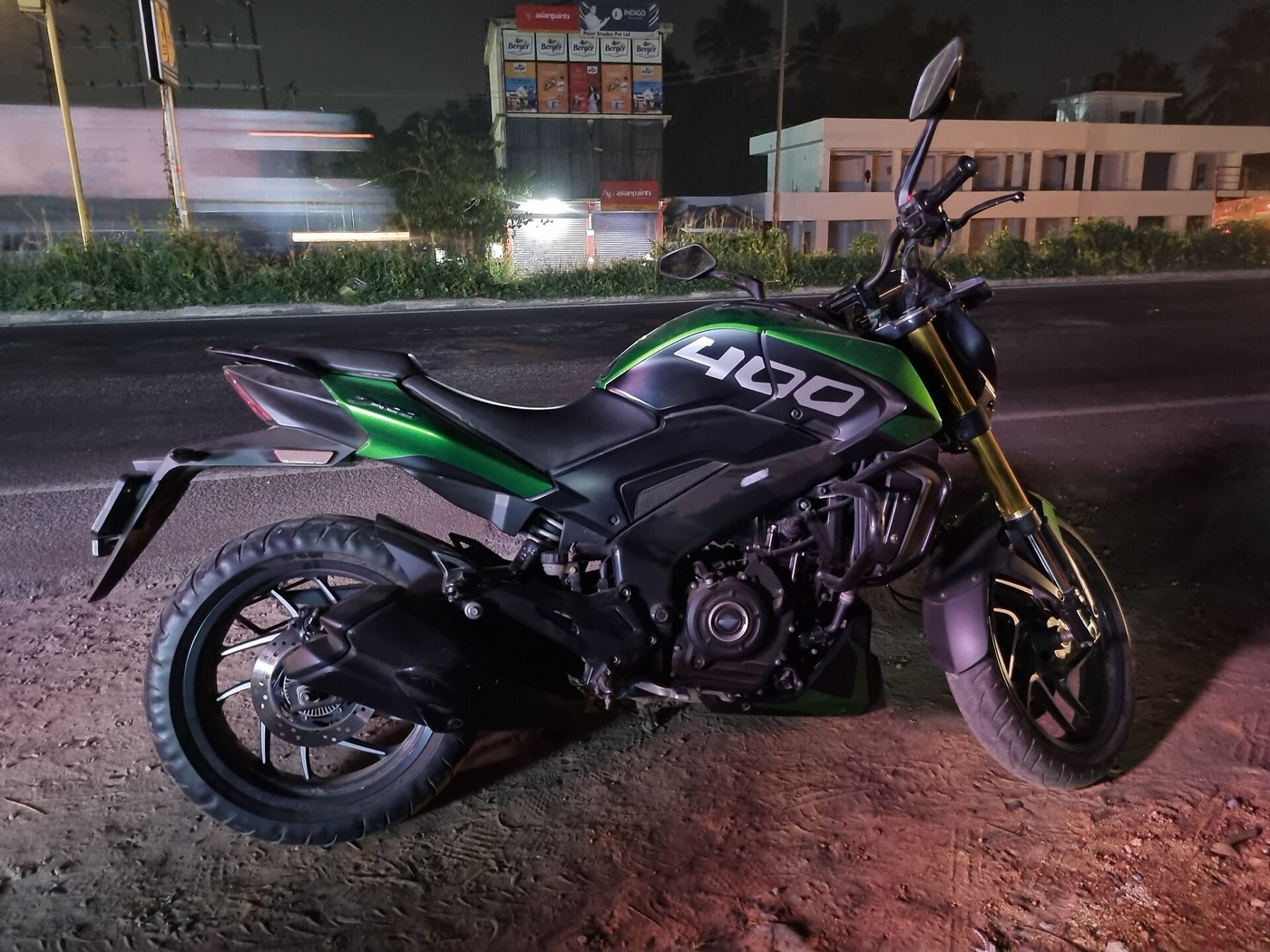
On two wheels the ladder is unusually readable because the designs stay simple. Our commuter records step up in near-lockstep with capacity: 97 cc and 8 bhp on the Splendor Plus, 124 cc and 9 on the Glamure, 160 cc and 16 on the Pulsar 150, 249 cc and 30 on the Duke. Past that, capacity stops tracking power at all. A 349-cc Classic makes 20.2 bhp and a 373-cc Dominar makes 40; two 249-cc singles, the Duke and the Gixxer 250, differ by 3.5 bhp; a 648-cc twin makes 47 and a 1,200-cc twin makes 80. What the big singles are actually selling is the first half of the rev range, which is torque, which brings us back to capacity doing its honest job.
How the number gets flattered
Three tricks live around a displacement claim. Rounding: 998 cc is “the 1.0”, 1,462 cc is “1.5”, and the brochure’s tidy litre is a tax bracket as much as an engine. Architecture omission: 1,199 cc in a three-cylinder Punch and 1,197 cc in a four-cylinder Baleno are different machines sharing a badge-size number, and the cylinder count changes refinement, weight and how the torque arrives more than the last two digits of cc. And the headline swap: once forced induction decides how much air actually reaches those cylinders, quoting capacity as a performance proxy is a courtesy to a number that no longer does the job — our Venue and Creta records sit 120 bhp against 113 in exactly that disagreement.
Ask what the engine does at the revs you drive at. Displacement is the size of the cup, not the strength of the drink.
Reading the MotoSutra spec sheet
Every car record here carries displacementCc and cylinders next to the power and torque bands; read them as a set. The useful pattern: for naturally aspirated engines, expect capacity to predict low-rpm torque pretty faithfully; for turbos, ignore cc entirely and go straight to the plateau; for diesel, remember the capacity is buying tractability and durability, with 3,500-rpm power peaks as the admission fee. Electric records list no capacity at all, and that absence is the cleanest proof that cc was always a proxy — the Nexon EV makes 215 Nm from a motor whose output does not depend on how much of anything it fills.
Frequently asked questions
Is a bigger engine always stronger?
Among engines of one design philosophy, loosely yes: in our catalogue the naturally aspirated 1.2-litre cars cluster at 108 to 113 Nm and the naturally aspirated 1.5-litre cars at 137 to 145 Nm. The link breaks the moment forced induction enters, because a turbo decides how much of the cylinder’s air the engine is allowed to burn.
Does cc decide fuel economy?
Weakly. Real-world economy follows driving style, gearing, tyres, aerodynamics and load far more than swept volume, and our catalogue pairs frugal big engines with thirsty small ones often enough to prove the point. The one honest rule is that a displacement too small for the load gets worked, and a worked engine stops being economical.
Why are 1.2-litre cars cheaper to own in India?
Because Indian tax regimes have repeatedly drawn incentive lines around small engines and small dimensions — the central excise break for sub-1,200 cc, sub-720 mm-high cars defined an entire segment — and some states still weight vehicle tax by capacity. The category you are shopping in is partly a tax filing’s invention.
How many cc do I need for highway riding on a bike?
Our records suggest the useful divide is torque character, not capacity: the 349-cc Classic makes 27 Nm at 3,400 rpm and is entirely at home at 90 km/h, while 155-cc sport bikes need 7,500 rpm to make their 14 Nm and arrive at the same speed much louder. Past about 125 cc, capacity buys refinement and reserve rather than the ability to hold the speed limit.