Car comparison
Hyundai Venue vs Kia Sonet: same turbo, two price ladders, one tailgate
One 998cc three-cylinder turbo makes 120 bhp in both of these, on the same 2500 mm wheelbase — then the catalogues diverge by ₹2.60 lakh at the top and 17 litres at the boot. The twin test that decides itself once you know your trim.
- Hyundai Venue ₹7.94L
- Kia Sonet ₹7.99L
Head to head
- Entry price Hyundai Venue The Venue E 1.5 starts at ₹7.94 lakh against the Sonet HTE at ₹7.99 lakh — five thousand rupees, which is the least interesting number here.
- Top-spec price Hyundai Venue ₹13.60 lakh for the Venue SX(O) 1.0 Turbo AT against ₹16.20 lakh for the Sonet GTX+ DCT; Hyundai’s ladder simply ends lower.
- Turbo engine Even Both list the 998cc three-cylinder at 120 bhp and 172 Nm; the Sonet holds its plateau to 4000 rpm against the Venue’s 3500 rpm.
- Boot space Kia Sonet 392 litres for the Sonet against 375 for the Venue — the segment’s best number in this catalogue versus merely good.
- Road stance Kia Sonet The Sonet has 205 mm of ground clearance to the Venue’s 195 mm, and it is 20 mm wider and 22 mm taller.
- Equipment ceiling Kia Sonet The Sonet GTX+ adds the full driver-assistance suite and DCT for ₹16.20 lakh; the Venue range tops out with a single-clutch automatic and a panoramic roof option.
- Automatic value Hyundai Venue The Venue turbo automatic at ₹13.60 lakh is ₹2.60 lakh under the comparable Sonet flagship, with the same 120 bhp engine in the bay.
| Specification | Hyundai Venue ₹7.94L | Kia Sonet ₹7.99L |
|---|---|---|
| Ex-showroom price | ₹7.94L | ₹7.99L |
| Engine | 998 cc | 998 cc |
| Power | 120 bhp | 120 bhp |
| Torque | 172 Nm | 172 Nm |
| Mileage | 18 kmpl | 18 kmpl |
| Top speed | 180 kmph | 185 kmph |
| Gearbox | manual / automatic | manual / automatic |
| Kerb weight | 1210 kg | 1275 kg |
| Seating | 5 | 5 |
| Boot space | 375 litres | 392 litres |
| Safety | 3 stars | 3 stars |
| Body type | Compact SUV | Compact SUV |
| Status | available | available |
| Categories won | Hyundai Venue wins 2 of 13 | Kia Sonet wins 2 of 13 |
Only specifications present in both records are listed. Figures are MotoSutra sample catalogue data.
Writing a head-to-head about the Venue and the Sonet is a strange profession, because roughly two-thirds of the specification column is the same text in a different order. The same 998cc turbo three-cylinder, tuned to the identical 120 bhp and 172 Nm, sits in one end of each car; the same 1.5-litre naturally aspirated unit anchors the cheaper end of both ladders; the wheelbase measurement is 2500 mm twice; the overall length is 3,995 mm twice; both claim 18 kmpl; both carry six airbags and a three-star adult crash score in this listing. Hyundai and Kia would rather you didn’t notice the family resemblance, which is why they spend real money on different faces. The honest comparison is therefore about the differences: a 17-litre boot gap, a 20 mm width gap, a 10 mm clearance gap, a gearbox philosophy gap — and a ₹2.60 lakh gap at the top of the range that decides this purchase faster than any of them.
How the twins drive, and the one place they truly diverge
On the same turbo, both cars leave the line with the same easy authority; 172 Nm from around 1,500 rpm in a 1.2-tonne SUV is how a compact segment stopped needing a torque converter to feel quick. The small difference is in the shape of the plateau: the Sonet’s torque band is listed to 4000 rpm against the Venue’s 3500, and you feel it — the Kia holds its shove a stretch longer before the three-pot falls back to ordinary, which on a long ghat climb in fourth is the difference between staying in the gap and losing it.
Where they genuinely part company is the automatic. The Venue SX(O) 1.0 Turbo AT is a single-clutch automated unit — adequate, occasionally hesitant, and the sensible man’s automatic. The Sonet GTX+ DCT is a seven-speed dual-clutch that shifts faster and drives the car like it was meant to be driven, at the cost of some jank at walking pace and a sticker that asks ₹2.60 lakh more than the Hyundai’s top. There is also the manual-plus question: Kia’s iMT at ₹13.99 lakh removes the clutch from traffic while keeping a lever in your hand, an option the Venue range in this listing doesn’t mirror on the turbo.
The chassis settings split the same way they always have between these brands: the Sonet is firmer, changes direction with less roll and reports expansion joints to the second row like a compliance officer; the Venue is softer and more absorbent, and its lighter 1,210 kg kerb weight against the Sonet’s 1,275 kg shows in a slightly more eager turn-in. Three-cylinder thrum at idle: present in both, as advertised by both catalogues. Neither is a bad car. They are the same car, differently flattered.
Space, and the tailgate decision
Both wear 3,995 mm of length and a 2500 mm wheelbase, so the legroom conversation is over before it starts. But the Sonet stands 20 mm taller (1,642 against 1,620) and 20 mm wider (1,790 against 1,770), and Kia spends both millimetres where it counts: the bench has more shoulder room for the two real occupants, the opening is squarer, and the boot measures 392 litres against the Venue’s 375 — the largest figure among the compact SUVs in this catalogue, by its own reckoning.
The Venue’s counter-arguments are the 17-litre gap is smaller than the pram test suggests, and its 215/55 R17 tyres on bigger wheels give the Hyundai the better look out of a showroom. If the car carries four regularly, measure the boot you actually own against both and let the luggage decide; there is no drama here, just a mild, persistent Kia advantage.
Equipment, where Kia always plays first
At the same rung, the Sonet lists more. Mid-level trims from ₹11.99 lakh carry the kind of kit — ventilated seats, powered driver seat, cooled glovebox, large touchscreen with connected features — that Hyundai metered out further up the Venue ladder, and the GTX+ flagship adds the full Level-2 driver-assistance suite with adaptive cruise that the Venue range in this listing never reaches. The Venue fights back on the two things its house always sells: a bigger touchscreen figure (12.5-inch) and the panoramic sunroof option at the top, plus the calmer, cheaper 1.5 variants below ₹10 lakh that the comparison’s lower half is really about.
Safety kit is the draw, and the shared asterisk: six airbags and stability control standard on both, three-star adult scores on both — the segment average rather than the segment best.
Running costs, one ledger
Same engine, same claimed 18 kmpl, same city reality of 11-13 kmpl in this catalogue’s owner framing, same service intervals and broadly similar labour rates from networks that, outside the metros, favour Hyundai’s longer reach. Kia’s thinner dealer footprint is the one genuine running-cost difference: cheaper in town, dearer in trouble in a tier-two city.
Who buys which
Buy the Venue if your ceiling is ₹13 lakh, if you want a turbo automatic without paying flagship tax, or if the 1.5’s calm cheapness at ₹7.94-9.99 lakh describes your driving better than any turbo does. Buy the Sonet if the budget genuinely stretches — at the overlapping turbo manuals around ₹11.5-12 lakh, the Kia gives you more boot, more clearance and more equipment for the same engine — or if the DCT and the assistance suite are what you actually came for. And if neither ladder interests you, the segment’s five-star offers exist at this money; these twins are the fun shelf, not the safe one.
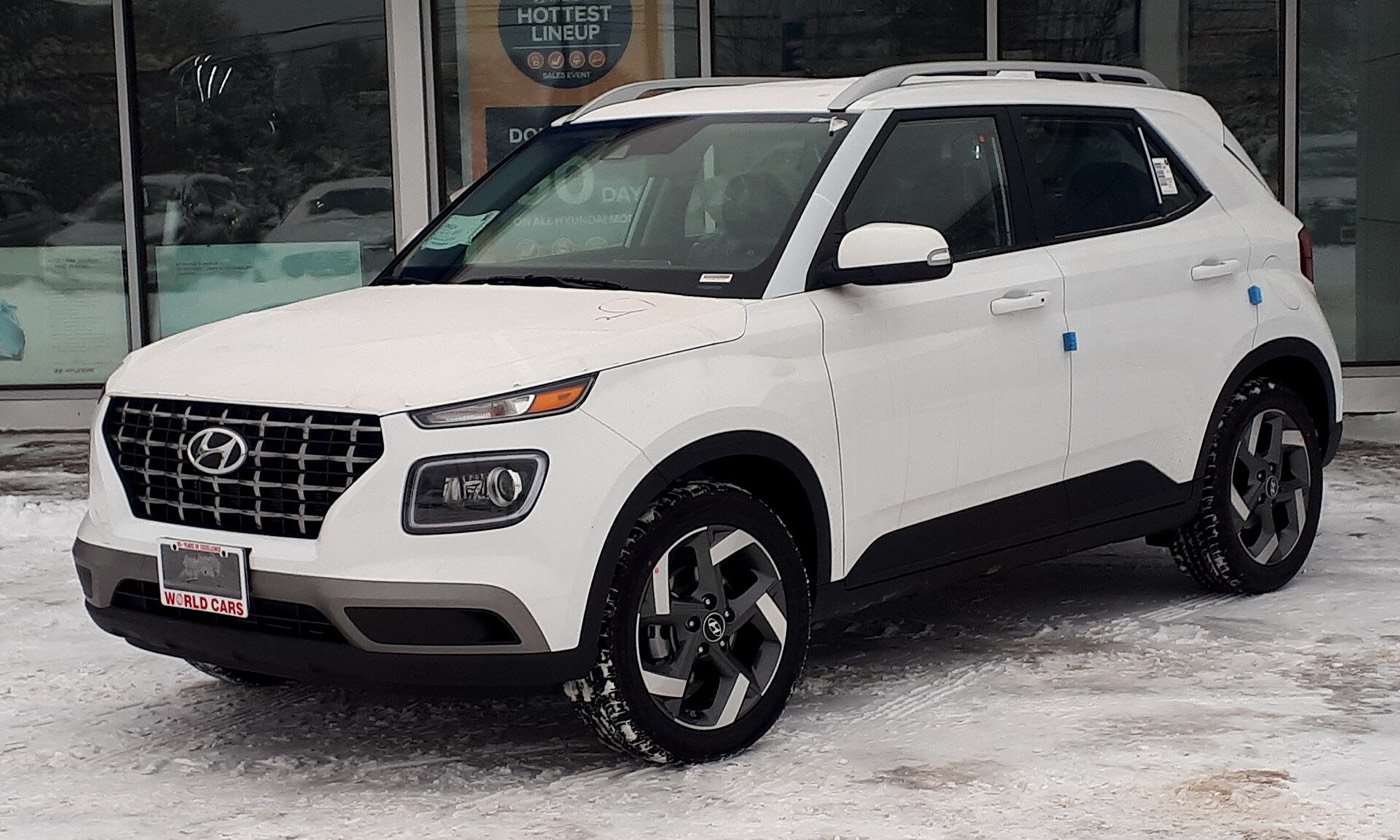
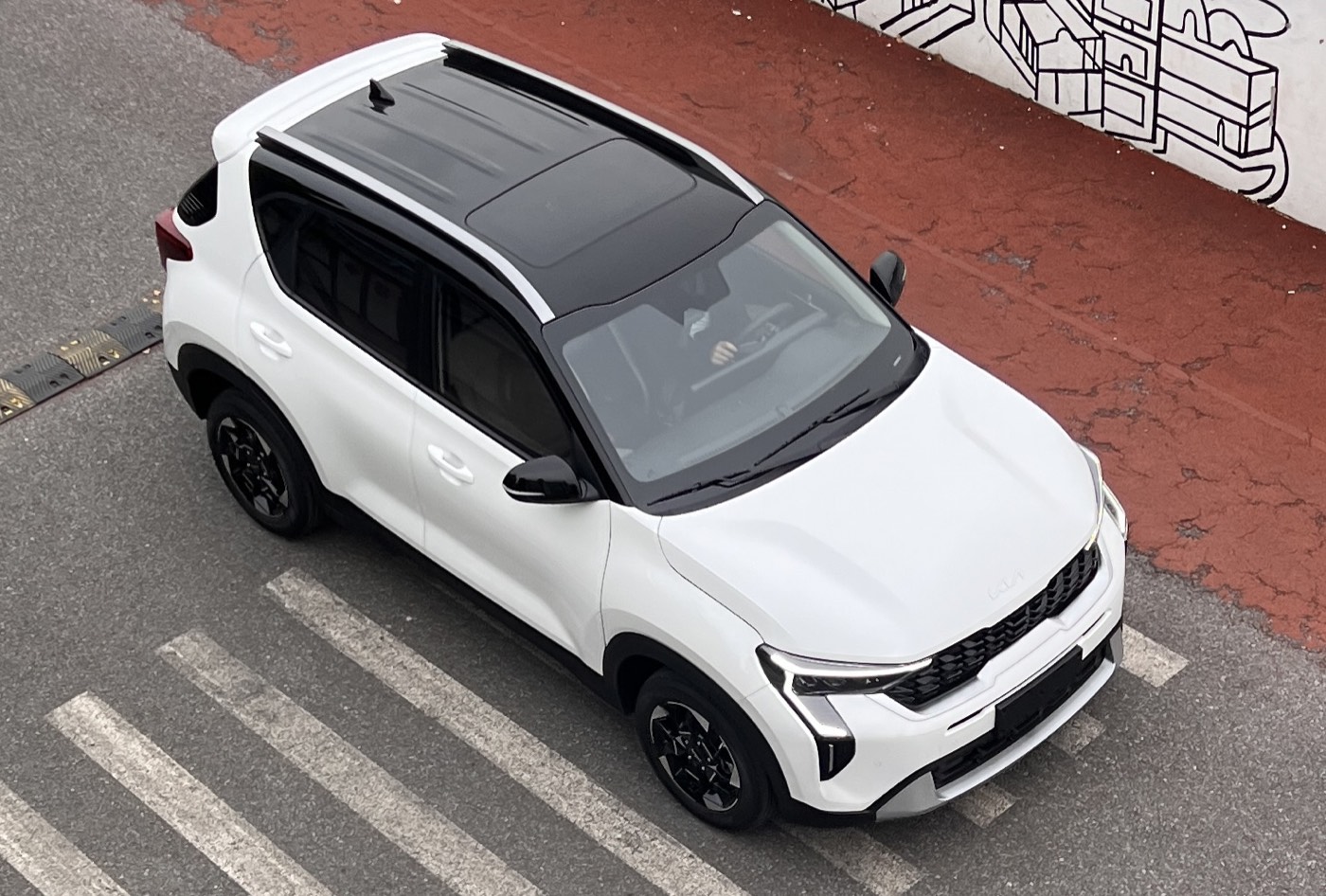
The two models
Frequently asked questions
Is the Sonet just a rebadged Venue?
Mechanically, almost — and that is the point. In this sample catalogue both run the same 998cc turbo making 120 bhp and 172 Nm, both sit on a 2500 mm wheelbase inside a 3,995 mm body, and both claim 18 kmpl with the turbo. The differences are packaging and price ladder: the Sonet is boxier outside (20 mm wider, 22 mm taller), carries 17 litres more boot and 10 mm more clearance, and sells a longer, dearer options list on top.
Which one should I buy if I want an automatic?
At sensible money, the Venue. Its SX(O) 1.0 Turbo AT is ₹13.60 lakh in this listing. Kia’s automatic is reserved for the ₹16.20 lakh GTX+ DCT flagship — the faster, more complete gearbox, but in a car most buyers at this budget will not shop. If the budget reaches ₹16 lakh, the Sonet wins this specific argument outright.
Is one of them safer than the other?
No. Both carry a three-star Global NCAP adult score in this catalogue, both fit six airbags and stability control across the range, and neither touches the five-star Tata and Mahindra alternatives for similar money. Safety-led buyers should shop that shelf rather than split hairs between these two.