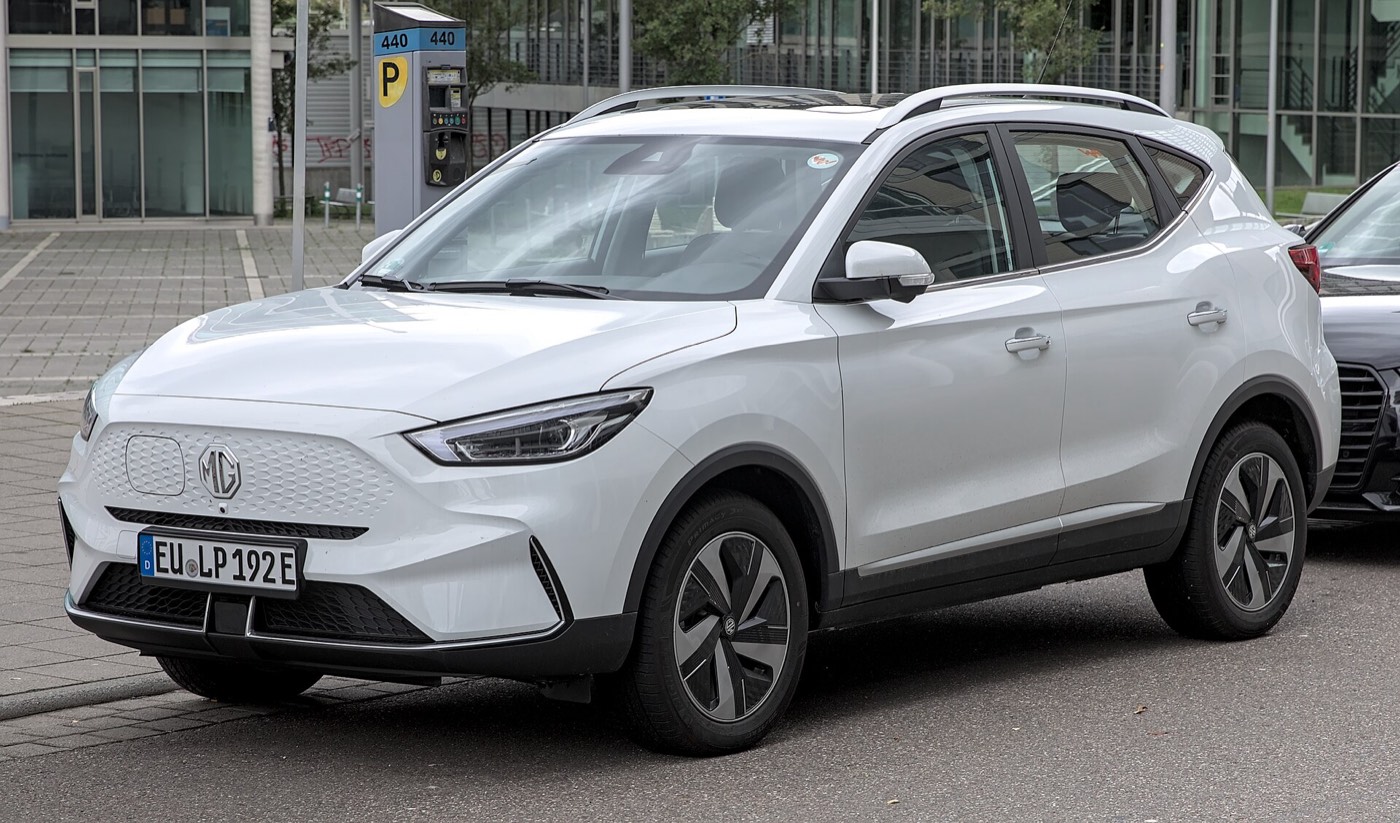
Bike comparison
Apache RTR 160 4V vs Pulsar 150: ₹20,000 between the gadget and the go-anywhere
TVS brings ride modes and a connected console to the 160cc fight; Bajaj brings a lower price, standard dual-channel ABS and a bigger tank. We decide which of the two 160s earns the gap.
- TVS Apache RTR 160 4V ₹1.38L
- Bajaj Pulsar 150 ₹1.18L
Head to head
- Price Bajaj Pulsar 150 ₹1.18-1.24 lakh against ₹1.38-1.48 lakh ex-showroom Delhi NCR. The Pulsar starts twenty thousand rupees below the TVS and tops out below its base.
- Power TVS Apache RTR 160 4V 17.5 bhp at 9,250 rpm against 16 bhp at 9,750. The Apache makes more where the revs are, and asks for them more often.
- Low-rpm torque Bajaj Pulsar 150 14.8 Nm from 7,000 rpm against 14.7 Nm from 7,250 — the numbers are close, but the Pulsar pulls earlier and does second gear in town by itself.
- Claimed mileage Bajaj Pulsar 150 47 kmpl against 45, on a 12-litre tank with a claimed range past 500 km. The TVS counters with 140 kg, not fuel capacity.
- Kerb weight TVS Apache RTR 160 4V 140 kg against 150. Ten kilos is the whole difference between a motorcycle that flicks through traffic and one you steer through it.
- Safety as standard Bajaj Pulsar 150 Dual-channel ABS and a 300 mm front disc on every Pulsar variant. The Apache’s single-disc base gets combined braking with a rear drum; twin-channel ABS starts at ₹1.43 lakh.
- Equipment TVS Apache RTR 160 4V Three ride modes, a Bluetooth console with lean-angle readouts and hazard-on-braking from the TVS. The Pulsar’s console is the plainest in the price band.
| Specification | TVS Apache RTR 160 4V ₹1.38L | Bajaj Pulsar 150 ₹1.18L |
|---|---|---|
| Ex-showroom price | ₹1.38L | ₹1.18L |
| Engine | 159 cc | 160 cc |
| Power | 17.5 bhp | 16 bhp |
| Torque | 14.7 Nm | 14.8 Nm |
| Mileage | 45 kmpl | 47 kmpl |
| Top speed | 127 kmph | 110 kmph |
| Gearbox | manual | manual |
| Kerb weight | 140 kg | 150 kg |
| Seating | — | 2 |
| Safety | Dual-channel ABS and hazard lamps on the higher variant; no crash rating exists | Dual-channel ABS standard on every variant; no official crash-test rating exists |
| Body type | Sports commuter | Sports commuter |
| Status | available | available |
| Categories won | TVS Apache RTR 160 4V wins 3 of 12 | Bajaj Pulsar 150 wins 4 of 12 |
Only specifications present in both records are listed. Figures are MotoSutra sample catalogue data.
The 160cc class is where Indian buyers stop buying a commuter and start buying a motorcycle, and the two best-known arguments for that step disagree completely about what the money should buy. TVS spends it on equipment: ride modes, a connected console, weight control. Bajaj spends it on restraint: a lower price, standard safety hardware, and an engine tuned for second gear rather than the top of the tacho. The ₹20,000 gap at the base of the two ranges is the entire debate.
Two ways to build a 160
The Apache’s 159cc four-valve single makes 17.5 bhp, but it makes it at 9,250 rpm, and it wants 7,250 before the 14.7 Nm peaks. That is a sporty map on a commuter licence: quick when worked, ordinary when not. The Pulsar’s arithmetic is deliberately blunter — 16 bhp at 9,750, 14.8 Nm at 7,000 — and the payoff is that Bajaj’s single does most city riding without a gear change. From a signals standstill the difference in feel is bigger than the 0.4 bhp suggests: the Apache is the faster machine; the Pulsar is the easier one.
The weights tell a similar story from the other direction. At 140 kg the Apache is the lightest of the two and it shows in a U-turn, a lane gap, and any manoeuvre that asks the rider’s arms for help. The Pulsar carries 150 kg — heavy for its power, and the mass is felt at a standstill and in a tight parking lot long before it is felt at speed.
Equipment, where the money actually went
This is the TVS’s clearest win and it is not close. Three ride modes carried down from the RTR 310 soften the throttle for rain and sharpen it for a back road; the Bluetooth console mirrors navigation, logs lean angle and shows call alerts on a motorcycle priced below many 125s; hazard lamps fire under hard braking. The Pulsar offers an analogue speedometer with a digital inset, and on the base trim not even a gear-position indicator. For a buyer who treats a motorcycle as a gadget as well as transport, the ₹20,000 buys a generation of difference.
The counter-argument lives in the place a buyer looks least eagerly: the brake list. Every Pulsar 150 in this listing leaves the showroom with a 300 mm front disc and dual-channel ABS. The base Apache at ₹1.38 lakh has a front disc, a rear drum and a combined braking system; twin-channel ABS only appears from the ₹1.43 lakh double-disc variant. If the comparison is run on the sensible floor rather than the advertised entry point, the price gap narrows to a few thousand rupees and the equipment argument has to carry all of it.
Living distance
The Pulsar’s 12-litre tank is quoted here at a claimed range past 500 km, and against 47 kmpl that is not marketing arithmetic, it is the tank. On a long weekend the difference between filling on Friday and filling on Friday and Sunday is small; the difference in what a rider plans around is not. The Apache counters with the ten kilos and the ride quality those kilos buy: the gas-charged rear shock is compliant where the Pulsar’s unit is merely adjustable — and Bajaj’s seven-step preload at least lets an owner tune the sag for a pillion, which the fixed TVS rear does not.
Both ride the same 17-inch wheels on 90/90 and 120/80 (TVS) or 130/70 (Bajaj) tyres, both clear a normal breaker at around 165 mm, and both sit at about 800 mm of saddle. Neither is a touring motorcycle, but the Pulsar with 16 bhp is the one that will say so sooner: its 110 km/h ceiling is honest, where the Apache claims 127 and has the gearbox to reach it. And if the plan is to keep the motorcycle past its fifth year, the Bajaj’s standard ABS and simpler, cheaper consumables are the items a used buyer checks first.
Which ₹20,000 buys what
Buy the Pulsar 150 if this is a first motorcycle, a family’s second vehicle, or a commuter that has to survive on budget decisions: standard dual-channel ABS, earlier torque, better claimed economy and a bigger tank make it the rational machine, and the ₹1.18 lakh entry is the honest price of the whole argument.
Buy the Apache RTR 160 4V — at the double-disc SmartXonnect trim, not below it — if the equipment is why you are moving up from a 125 at all. It is the lighter, quicker, more interesting motorcycle once ABS is on board, and the ₹5,000 over the plain double-disc buys navigation and tracking that no rival in this money offers fitted.
And if the real ambition is a back road rather than a budget, neither of these is the endpoint; the same two catalogues sell a 199cc and a 310cc answer to that wish, and they are different comparisons entirely.
The two models
Frequently asked questions
Which is better for a beginner, the Apache RTR 160 4V or the Pulsar 150?
The Pulsar 150. Its torque arrives earlier, the five-speed box and soft clutch are hard to stall, and dual-channel ABS is fitted to the base variant at ₹1.18 lakh in this sample listing — the safety hardware is not a paid option.
Is the extra ₹20,000 for the Apache worth it?
Only for a rider who will use the specification. The ten kilos of weight saving, the ride modes and the connected console are real advantages; if your riding is mostly queue traffic and mileage matters, the Pulsar keeps your money.
What mileage do these give in real use?
In this catalogue the claims are 45 kmpl for the Apache and 47 for the Pulsar. Sample owner reports cluster at 42-48 for the TVS and 42-46 for the Bajaj in mixed city use, with both capable of the low 50s on a steady highway run.
Which has the better brakes?
By default equipment, the Pulsar — a 300 mm front disc and dual-channel ABS from the first variant. The Apache matches it only from the double-disc trim at ₹1.43 lakh, which is where we would insist the comparison actually starts.