
Best of
Best automatic cars in India in 2026: ranked by the gearbox under the pedal, not the badge
AMT, CVT, dual-clutch, torque converter, single-speed — five ways to remove a clutch and one hybrid trick that removes the question. Six cars, each the best case for its own transmission type in traffic.
- Toyota Hyryder ₹11.31L
- Kia Sonet ₹7.99L
- Skoda Kushaq ₹10.34L
- Honda City ₹11.79L
- Maruti Suzuki Swift ₹5.84L
In order, on the numbers
The ranked picks
-
₹11.31 lakh - ₹15.99 lakh
The e-CVT and the strong hybrid are the same system: combined 114 bhp, a claimed 21 kmpl, seven airbags and a five-star shell from ₹11.31 lakh to ₹15.99 lakh with no plug and no clutch. The 122 Nm of engine torque means the CVT drones on a loaded overtake, and the boot shrinks to 311 litres around the battery.
- Mileage 21 kmpl
- Power 114 bhp
- Engine 1462 cc
-
₹12.49 lakh - ₹15.99 lakh
A single-speed reduction gear is the shortest path to automatic motoring: 141 bhp, 215 Nm from zero rpm, a claimed 489 km from 46.08 kWh and a five-star shell with six airbags from ₹12.49 lakh. Real-world range is 300-350 km with the air conditioning on, the motor loses leverage past 100 km/h, and the whole case depends on charging somewhere at night.
- Range 489 km
- Power 141 bhp
- Seats 5
-
₹5.84 lakh - ₹8.96 lakh
The ZXi AMT at ₹8.36 lakh is the least expensive automatic on this page by nearly ₹3 lakh, and it keeps the claimed 25 kmpl, 966 kg kerb weight and six airbags from this trim upward. The box itself still hesitates at walking pace, the 79 bhp engine wants the manual mode on a climb, and the two-star crash score is the honest tail of this bargain.
- Mileage 25 kmpl
- Power 79 bhp
- Engine 1197 cc
-
₹7.99 lakh - ₹16.2 lakh
The ₹16.20 lakh GTX+ pairs a seven-speed dual-clutch with 120 bhp and 172 Nm from 1,500 rpm and adds the driver-assistance suite and a 392-litre boot — the quickest automatic on this list. City returns sit at 11-13 kmpl against an 18 claim, low-speed manners are good but not torque-converter smooth, and the structure is three stars.
- Mileage 18 kmpl
- Power 120 bhp
- Engine 998 cc
-
₹10.34 lakh - ₹17.79 lakh
The ₹15.99 lakh Style AT bolts a six-speed torque converter to 115 bhp and 175 Nm held from 1,750 to 4,500 rpm, under a five-star shell with six airbags and four disc brakes standard from ₹10.34 lakh. Skoda’s own record calls the box slower than the old dual-clutch, and the 340-litre boot is the smallest on this page.
- Mileage 18 kmpl
- Power 115 bhp
- Engine 999 cc
-
₹11.79 lakh - ₹20.2 lakh
The ZX CVT at ₹16.20 lakh smooths the 121 bhp, 145 Nm 1.5-litre into the most composed daily sedan here and still leaves a 506-litre boot — bigger than every SUV on this list. Six airbags only arrive from mid trims, the adult crash score is three stars, and the CVT trades throttle for noise when pushed.
- Mileage 18 kmpl
- Power 121 bhp
- Engine 1498 cc
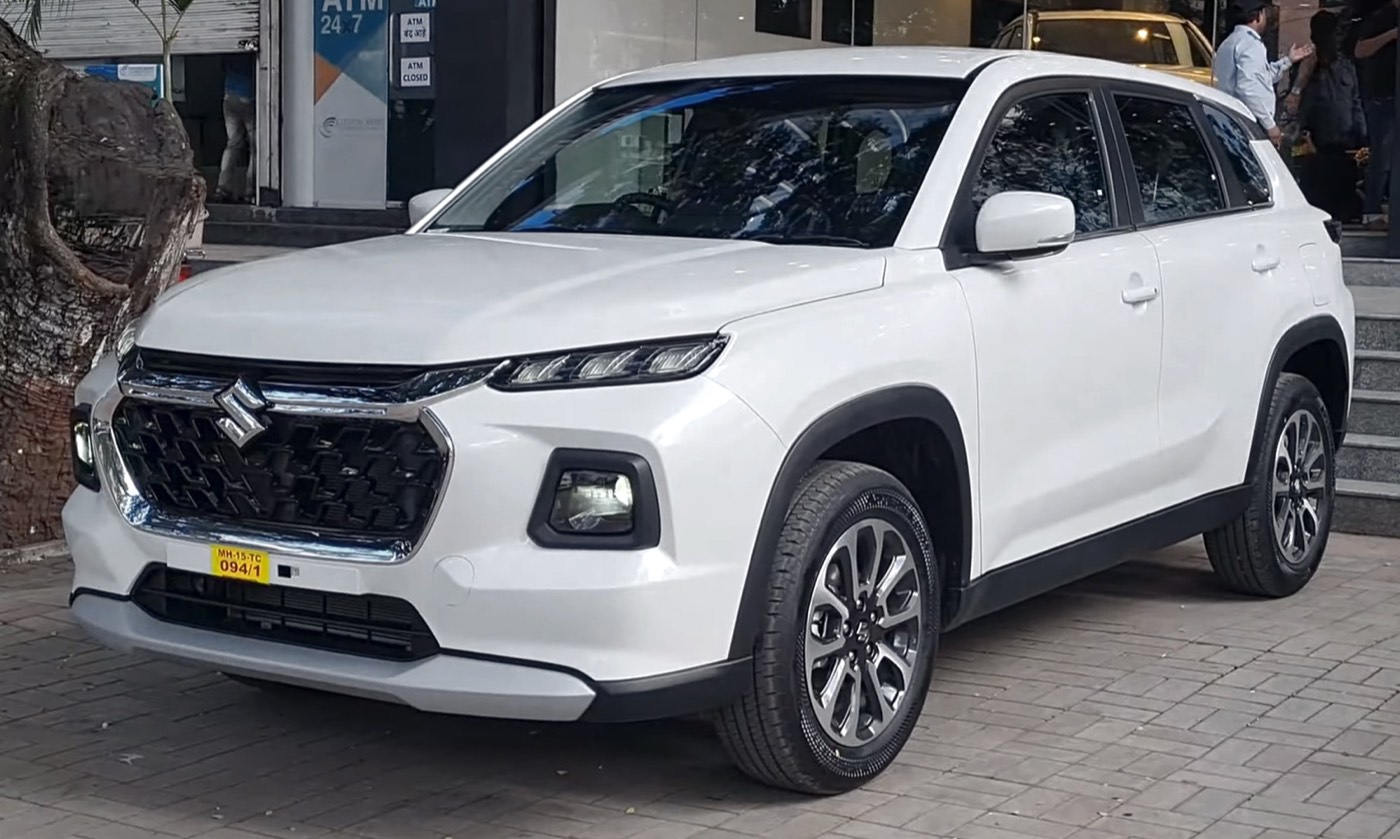
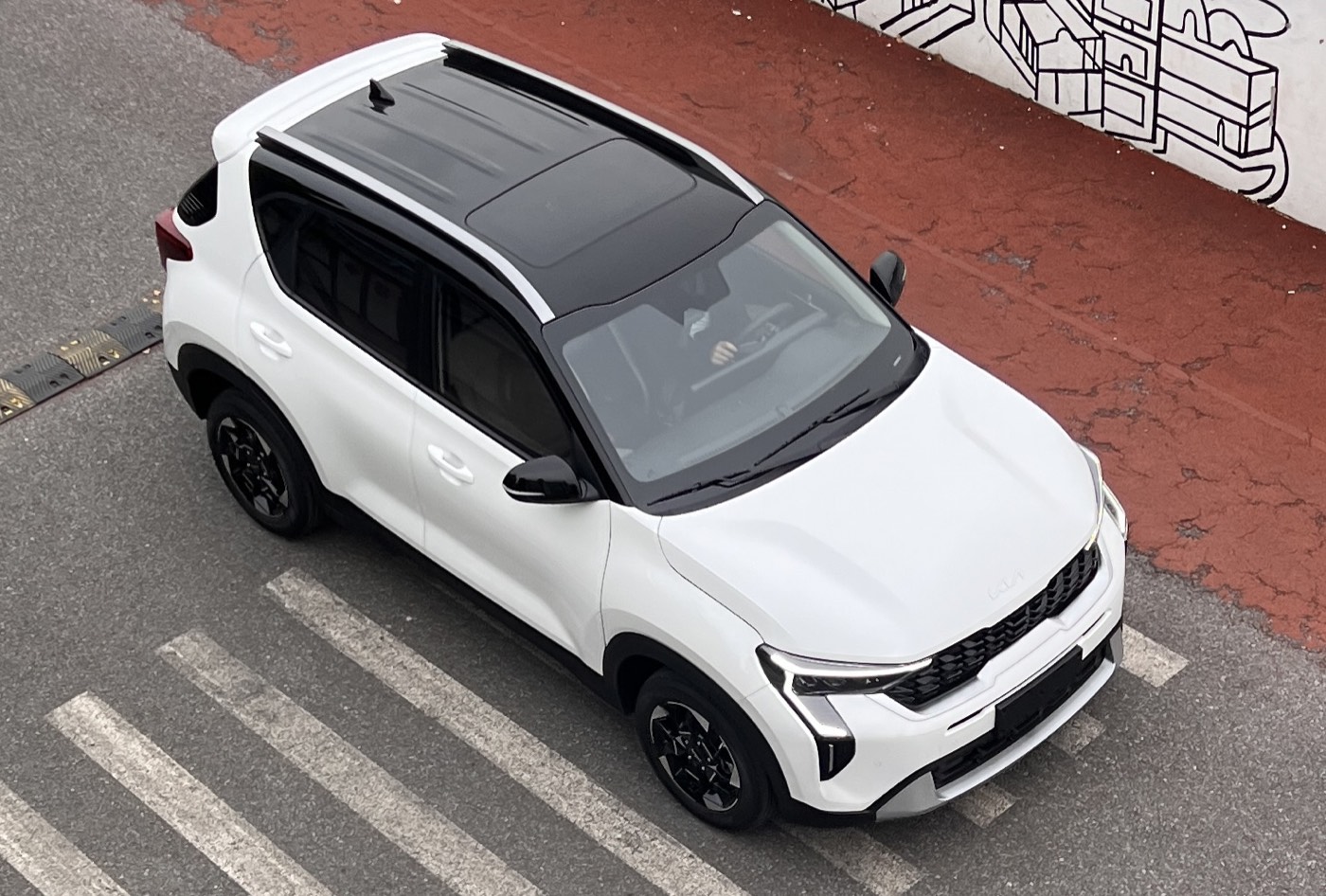
An automatic is not one product. It is five different machines wearing the same pedal layout, and the right one depends entirely on the traffic you sit in: an AMT is a saving, a dual-clutch is a fast pair of hands, a torque converter is a lubricated argument, a CVT is smoothness priced in noise, a single-speed EV is a different physics class altogether, and Toyota’s e-CVT mostly sidesteps the taxonomy. This ranking therefore asks one question of each transmission type: what is the best car here if this gearbox is your gearbox? The order below is our editorial answer — how completely each car resolves the city-traffic problem its box creates, with standard safety as the tie-break.
Two framing notes as always. Every figure on this page is MotoSutra sample catalogue data, quoted ex-showroom Delhi NCR at the variant named, and none of it should be read as a verified manufacturer or agency claim. And the obvious exclusions are structural: we list one representative per transmission type, so good CVTs like the Elevate’s and the Creta’s live on our SUV pages rather than doubling up here.
1. Toyota Hyryder — the gearbox that makes the fuel irrelevant
The e-CVT is the one automatic on this list that is not really a gearbox bargain but a hybrid partnership: there are no fixed ratios to hunt because the split between the 1.46-litre engine — 122 Nm of it — and the electric motor is the point. Combined output is 114 bhp, the claim is 21 kmpl, and hybrids do their best work exactly where automatics suffer, which is a queue. Seven airbags and a five-star crash score are standard from ₹11.31 lakh, and nothing needs plugging in. Our sub-15 SUV guide covers the same argument from the body-style side.
The cost is drama and luggage. A loaded overtake turns the CVT into a high-revving negotiation once the battery assists out, the boot is trimmed to 311 litres around the hybrid packaging, and the record is blunt that the cabin finish trails the Koreans.
2. Tata Nexon EV — the shortest answer to the clutch question
A single-speed reduction gear cannot shift badly, cannot stall in a queue and puts 215 Nm on the front wheels from zero rpm, which is why 141 bhp in this car feels like more in traffic. The claimed range from 46.08 kWh is 489 km, 0-80 per cent takes about 60 minutes on DC, and the five-star Global NCAP shell with six airbags starts at ₹12.49 lakh — inside the money of the petrol automatics on this page.
Ranked second because the box is flawless and the infrastructure is not: expect 300-350 km with the air conditioning on, acceleration tails off past 100 km/h, and the record’s own verdict is that the running-cost case collapses without a home charge point.
3. Maruti Suzuki Swift — the AMT, priced honestly
The ZXi AMT at ₹8.36 lakh undercuts every other automatic here by roughly ₹3 lakh or more, and gives back little that matters in a commute: the 1.2-litre still claims 25 kmpl, the car still weighs 966 kg, and six airbags with stability control arrive at this trim. It is the automatic for a first car, a city second car, or a buyer whose definition of value is resale — Maruti’s benchmark.
Know the machine before you buy it: an AMT is a manual with a robot, so it hesitates at walking pace and wants the gate picked by hand on a climb with the 79 bhp pulling a full load. And the two-star adult crash score is the part of this bargain no trim level changes.
4. Kia Sonet — the dual-clutch, if you want the shifts gone
The GTX+ DCT is the fastest gearbox on this page in the way that matters when you choose to accelerate: 1,500-4,000 rpm of 172 Nm plateau, 120 bhp, seven ratios changed quicker than a human, and the driver-assistance suite with adaptive cruise included at ₹16.20 lakh. The 392-litre boot is the largest compact-SUV trunk in our catalogue, and six airbags are standard down to the ₹7.99 lakh base.
It ranks fourth because the DCT is the least city-native box here in its own record’s words — good, not torque-converter perfect, at low speed — and because the three-star structure is segment-average at a five-star price.
5. Skoda Kushaq — the torque converter, for people who distrust everything else
The Style AT at ₹15.99 lakh is the conventional choice in both senses: a six-speed converter that creeps perfectly, tolerates a careless right foot and asks for nothing except patience, mated to 115 bhp and 175 Nm from 1,750 rpm inside a five-star shell with six airbags, stability control and four disc brakes standard from ₹10.34 lakh. Our own review of the Kushaq makes the structure case at length.
Skoda’s record concedes the box is slower than the dual-clutch it replaced, the 340-litre boot is the smallest here, and the claimed 18 kmpl leans toward 14-16 on expressways and lower in a city. You buy this one for the shut, not the shift.
6. Honda City — the CVT that would rank higher in a fairer list
If this page ranked driving rather than traffic relief, the ZX CVT would be first: 121 bhp and 145 Nm delivered with more linear calm than any box here, a 506-litre boot that shames every SUV on this list, and the widest rear bench in the class from ₹16.20 lakh. The e:HEV at ₹20.20 lakh points at the hybrid future, motor-driven in the city and quietly savage on economy.
It sits last on the same tie-break that ordered everything above: six airbags only from mid trims and a three-star adult score. The CVT turns a hard throttle into noise rather than pace, which is the usual price of this very smooth machine.
Frequently asked questions
Which gearbox type is best for Indian traffic?
Judged purely on how completely the car resolves city use, this catalogue’s order is: single-speed electric first — the Nexon EV’s 215 Nm from zero rpm cannot misfire in a queue — then Toyota’s hybrid e-CVT, which claims 21 kmpl precisely because traffic is where it works. Among petrol boxes, the AMT is the rational default on a budget at ₹8.36 lakh in Swift form, the torque converter is the smoothest creper, and the dual-clutch only earns its keep if you use its speed on highways rather than in the jam.
Is an AMT a bad automatic?
No — it is the same manual gearbox with a robot working the clutch, which is why the Swift ZXi AMT at ₹8.36 lakh costs a fraction of the others here and keeps the claimed 25 kmpl. The penalty is behaviour, not reliability: shifts are unhurried, the box can hesitate at walking pace in a queue, and on an incline with passengers the manual mode gets used more than you planned. If your drive is mostly stop-start, it is a rational saving; if it includes regular highways with a load, step up.
Should I avoid a DCT in bumper-to-bumper traffic?
The evidence in this catalogue says the fear is dated. The Sonet GTX+ DCT is listed as the quicker, smoother car in the FAQ of its own record, and its 172 Nm from 1,500 rpm means the clutch is rarely slipping at low load. What a DCT still does not offer is torque-converter calm at crawling speed — the record calls those manners good, not perfect — and it lives only on the ₹16.20 lakh top variant.
Does a hybrid count as an automatic?
The Hyryder is the case study: its e-CVT has no conventional ratios at all and is part of the hybrid system, which is why it claims 21 kmpl with a combined 114 bhp and never needs a plug. The Honda City e:HEV at ₹20.20 lakh works the same way, leaning on the electric motor for most city driving. Both are smoother and thirstier in traffic than any pure-petrol automatic here; both drone under hard acceleration when the battery has given what it has.